Jesse, a Spanish Arabian, was 11 years old when he suddenly went lame. A bone scan and MRI revealed a severe injury
to his right front deep digital flexor tendon.
The diagnosing veterinarian, Dr. Mark Martinelli of California Equine
Orthopedics, recommended treatment with VetStem Cell Therapy and also
referred Jesse to Dr. Sylvia Ouellette who specializes in equine
lameness diagnosis and treatment.
Jesse and His Owner
Jesse began a long
rehabilitation process with Dr. Ouellette.
During rehab he experienced another setback, after which Jesse’s owner
pursued treatment with stem cells. Jesse
received one injection of his own stem cells into his injured tendon, but he
wasn’t out of the woods yet.
Jesse continued with a rigorous
rehabilitation schedule and experienced a few setbacks. It was two years after his initial injury when
Jesse’s owner finally received the good news that Jesse was sound.
Jesse was initially treated with
VetStem Cell Therapy back in May 2006- almost 14 years ago! Yet in a recent update from Jesse’s owner, Jesse
is now 24 years old and his tendon has remained sound. Jesse’s owner stated,
“Though he has other age-related health issues, the deep flexor tendon has
stayed strong and has served him well all of these years.”
Jesse is not the only horse to receive lasting effects from stem cell
therapy. Another horse, CP
Merritt, was still competing at a champion level after receiving VetStem
Cell Therapy 10 years prior.
If you think your horse may benefit from stem cell therapy, speak to
your veterinarian or contact us
to receive a list of VetStem providers in your area.
Patients with compromised mobility due to osteoarthritis or acute
orthopedic injuries are often prescribed physical rehabilitation. Physical rehabilitation or physical therapy
(PT) refers to a number of non-invasive techniques including but not limited to
exercise, manipulation, cold therapy, heat therapy and electrotherapy. The goal of PT is to reduce pain and improve strength
and mobility and thereby, improve a pet’s quality of life.
Physical therapy can also be a great way to help a pet recover from
surgery. When used postoperatively, the
goal is to decrease pain, inflammation, and recovery time. When applied appropriately, these treatments
may have both immediate and long-term effects.
For these reasons, VetStem recommends that pets follow some basic rehabilitation
guidelines after receiving intra-articular (into the joint) or intra-lesional
(into the injured tissue) stem cell injections.
Though the optimal post-stem cell injection rehabilitation protocol is
unknown, your veterinarian can help you craft a rehab routine that is based on your
pet’s specific condition and needs. Some
factors that may affect your pet’s rehabilitation protocol include severity of
the condition, number of joints/lesions that are affected and/or injected, as
well as other medical conditions your pet may have.
In general, VetStem recommends
starting with very light rehabilitative exercises for the first several weeks
following stem cell therapy. For dogs
and cats, this may include passive range of motion and stretching as well as slow
leash walks. For horses this may include
limited or short hand walks or stall rest with hand grazing, depending on the
condition being treated. We understand keeping
a pet quiet can be challenging for many owners.
We believe however that it is very important to
follow good rehabilitation practices to help your pet heal in the most optimal
way. Patience and good nursing care can help your pet’s healing process in both
the short and long term.
VetStem patient, Koda, getting his PT in an underwater treadmill.
As we close out the first month of 2020, we wanted to share some highlights
from 2019. Here is VetStem’s 2019 year
in review.
In 2019:
VetStem provided stem cell processing services for over 800 patients.
We trained over 60 new veterinarians to use VetStem Cell Therapy.
Over 80 veterinarians began using VetStem services and/or products for the first time.
We processed fat tissue from more cats in 2019 than we have in any one year out of the entire ten years that we’ve been providing this therapy for cats. This is likely due to the launch of our Clinical Research Programs including feline Chronic Kidney Disease, Gingivostomatitis, and Inflammatory Bowel Disease.
And perhaps most important, in 2019, VetStem announced the launch of our human stem cell company, Personalized Stem Cells, Inc. who is currently conducting an FDA-approved clinical trial for the treatment of knee osteoarthritis with stem cells.
WHEW! It was a big year for us! Thank you to our veterinary colleagues and pet owners who have entrusted us with the processing of your patient’s and pet’s stem cells. Here’s to a great 2020 for everyone!
At just four months old, Tucker, a Labrador retriever, was limping and
lame. At one year of age, he was diagnosed
with bilateral hip and elbow dysplasia.
His veterinarian prescribed him pain medications as well as nonsteroidal
anti-inflammatories (NSAIDs). After four
years of continuous medication and restricted physical activity, Tucker’s owners
were introduced to VetStem Regenerative Cell Therapy as a potential treatment
option for osteoarthritis in his hips and elbows.
To begin the process, Dr. Glenn
Behan of Barnegat Animal Clinic
collected Tucker’s fat tissue and sent it off to the VetStem laboratory in
January 2019. Once received, VetStem lab technicians processed the fat to
extract Tucker’s stem and regenerative cells for injectable stem cell doses.
Tucker’s stem cell injections were sent back to Dr. Behan and, approximately 48
hours after the initial fat collection, Tucker received one injection into each
hip and each elbow.
At just one month post stem cell
therapy, Tucker’s owners noticed his energy level was up, he could get up and
down with more ease, and stairs were easier to climb. After approximately six
weeks, Tucker could walk further distances and his limp subsided. His owner
stated, “He was able to actually run on the beach and through the surf for the first
time without pain. There was almost a hop in his step which we had never seen before.” In a 90-day follow up survey, Tucker’s owner
reported that he was able to discontinue his pain and anti-inflammatory
medication and his quality of life was significantly improved.
Tucker, enjoying the beach after receiving VetStem Cell Therapy
Approximately seven months post
stem cell therapy, Tucker continued to do great. With his increased activity,
he lost ten pounds and was getting around so much better. He would go on walks,
up and down stairs and even began jumping on the bed, which he could not do
before. He also played a lot more with his little brother. At that point in
time, he continued to not require pain or anti-inflammatory medication.
Tucker lost 10lbs due to his increased activity level
It has been approximately one year
since Tucker’s stem cell therapy and he has not required additional stem cell
treatments. Like Tucker, some dogs are
able to reduce
or discontinue pain and/or anti-inflammatory medications after receiving
VetStem Regenerative Cell Therapy. It is
important to point out that NSAID use can lead to gastrointestinal upset and
organ damage, which is why most veterinarians advise against long-term use of
NSAIDs.
If you think your dog may benefit from stem cell therapy, speak to your
veterinarian or contact us to
receive a list of VetStem providers in your area.
At VetStem, one of our goals is to educate pet owners about the prevalence
and potential severity of osteoarthritis (OA) in our pets. Osteoarthritis is a degenerative disease that
can be debilitating. It has even been identified
as the number 2 reason
for euthanasia. Though 1 in 5 dogs
in the U.S. are affected by OA, there are some steps you can take to
potentially reduce or delay the symptoms of OA in your pet.
In a previous
blog, we shared some steps you can take to help reduce or delay the
symptoms of OA in your pet. One of those
steps is to provide your pet with regular exercise. While pets require varying amounts and different
types of exercise, your veterinarian can help you to develop an exercise
routine tailored specifically to your pet.
Since January is Walk Your Pet month, we thought it important to highlight the potential effects that regular walks can have on your pet’s joint health. Colorado State University College of Veterinary Medicine states, “Regular physical activity is paramount in the treatment of osteoarthritis both in humans and animals. A lifestyle of regular activity that is moderated away from intermittent extremes of exercise and activities to which the pet is not conditioned is essential. Ideally, multiple shorter walks are better than one long one. The same activity every day (or slightly increasing if tolerated) is ideal.”
According to the Arthritis Foundation, walking comes with several
benefits which may lead to healthier joints including muscle strengthening, joint
fluid circulation, and weight loss. Weight
loss is an important factor when it comes to managing pain and lameness associated
with osteoarthritis. One study found
that weight loss significantly decreased lameness in obese dogs with OA. If you’re concerned that your pet may be
overweight, you can refer to this blog
or contact your veterinarian.
And don’t forget, cats
get OA too! Cats with OA may also
benefit from exercise. Speak to your
veterinarian about the best way to exercise your cat.
Ben, getting his exercise in by hiking the Pacific Coast Trail with his human and VetStem CEO, Dr. Bob Harman
For our first blog of the new year, we thought we would try something a
little different. This week, we have a
guest blog submitted by dog owner Virginia regarding her dog Ember and her stem
cell story. Ember received VetStem Cell
Therapy after she was diagnosed with elbow dysplasia. She’s feeling much better and…well, we’ll let
Ember tell her story…
Hi,
My name is Ember and I am a 4-year-old
Newfoundland. I’m writing this because I was asked to tell my story.
In my family we are first and foremost companions
to our people, we live side by side with them. But we have other jobs as
well. One is we do a lot of social and
therapy work to bring smiles to people. Our other career is to be “show
dogs.” Being social dogs, we like both our jobs.
But things changed for me when we
discovered that I had bilateral elbow dysplasia confirmed by OFA x-rays.
Sometimes I would limp a bit, other times not. When I was 2 and 1/2, I started limping and
did not stop for months. That was not fun, and I did not feel like
playing with all my friends at home (I have a big family).
Then on “My Lady’s” birthday her
best friend (and my first home) gave her the gift of stem cell therapy for
me. She seemed excited; I did not know what she was talking about at
all. I just go with the flow so I wagged my tail.
Before stem cell therapy, I was lame and
really didn’t play as much as I wanted to. It is over 5 months now from
my injections and I feel a lot better! I am my happy self, I play with my
friends, even the puppy. I am more active
and can get in bed to sleep with my people at night. I am not lame
anymore. My movement is so much better and I am pain free.
I am very grateful to My Lady’s friend for
giving such a thoughtful gift. It has made a huge difference for
me. I want to say thank you to all the people who worked hard so this option
could be made available for us dogs.
VetStem recently attended and exhibited at the annual American
Association of Equine Practitioners conference.
The convention brings equine veterinarians and veterinary professionals
together from across the United States to what is the world’s largest
continuing education event dedicated to equine practice.
VetStem sponsored a presentation
by Dr. Roland Thaler, who has been utilizing VetStem Cell Therapy for over ten
years. In his presentation, Dr. Thaler
discussed an equine patient, Mac, who was treated with VetStem Cell Therapy for
non-responsive uveitis. Uveitis is characterized
by inflammation of the uveal tract of the eye and can be a one-time episode or
recurrent. Recurrent uveitis can lead to
permanent damage and even blindness.
Though the cause of recurrent
uveitis is unclear, there is evidence to suggest it may be immune-mediated. Stem cells have demonstrated the ability to
reduce inflammation and to modulate the immune system. Preliminary in-vitro and clinical case series
results demonstrate safety and that stem cells may be effective in controlling
recurrent uveitis including one where three out of four horses had a favorable response
to treatment with stem cells.
In Mac’s case, his uveitis was
non-responsive, meaning his symptoms could not be managed with traditional therapies. Dr. Thaler recommended treatment with VetStem
Cell Therapy. Mac was treated in July
2019 and the cells were administered via intravenous injection as well as
subconjunctival. Dr. Thaler reported
that 14 days after treatment, Mac had marked improvement of comfort and his
medications were able to be reduced.
Mac received a second treatment with stem cells in early October
2019. Despite his initial improvement,
Mac’s condition worsened and he was retired from competition due to visual impairment.
Dr. Thaler noted that Mac tolerated the subconjunctival injections remarkably
well. Mac’s initial response to
treatment was promising leading Dr. Thaler to recommend treating recurrent
uveitis as early in the disease process as possible.
It’s December and while most are excited about the holiday season, we
at VetStem are excited about cats! We
have more than a few cat lovers at VetStem, Sue
and Kristi,
to name a few. We figured, what better
month than this to share new and exciting information about regenerative
medicine for felines?!
You may remember some of our previous blogs about stem cell therapy for
felines. If you need a refresher, check
out this recent post: Stem Cells for
Cats: An Overview. To summarize,
veterinarians are using VetStem Cell Therapy to treat a number of conditions in
cats. In addition to osteoarthritis, the
most commonly treated diseases include chronic kidney disease, inflammatory
bowel disease, and gingivostomatitis.
VetStem Patients Wilma and Flint
Veterinarians have also used our small animal platelet therapy kit for
orthopedic conditions in cats. Veterinary
Platelet Enhancement Therapy (V-PET™) is used by veterinarians to collect and concentrate a patient’s
platelets. The platelet concentrate can
be injected into joints, injured tendons and ligaments, as well as chronic
wounds.
One of our frequent users, Dr.
Jeff Christiansen, recently treated a cat who had an FHO (surgery to remove
the ”ball” of the hip ball-and-socket joint) utilizing V-PET™. The cat
suffered a fracture in his hip and platelet concentrate was injected into the joint
after surgery. Typically, cats will show
signs of complete recovery from an FHO procedure at approximately six weeks
post-surgery. In this cat’s case, he was comfortable and walking around with
good range of motion at four weeks post-op. While the injury required surgical
intervention, the addition of V-PET™
into the surgical site may have led to expedited healing.
Keke, Dr. Christiansen’s patient who received V-PET
Some more exciting news about cats is actually about cheetahs! Dr. Matt Kinney of the San Diego Zoo Safari
Park recently presented information at the American Association of Zoo Veterinarians
conference regarding working with VetStem to treat a couple of cheetahs. We hope to share more about this soon! This is not the first time that VetStem has provided
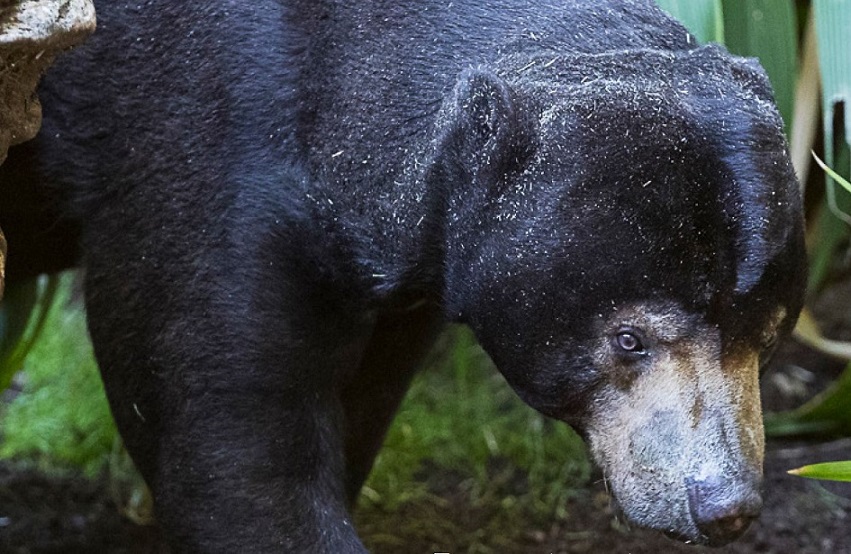
cell services and on-site consultation for the treatment of exotic animals. A Sun
Bear named Francis was another recipient of such services.
Follow our blog to keep up with new research and developments.
In this week’s veterinarian highlight, we’d like to introduce you to veterinary
surgeon and VetStem user Dr. Adam Gassel.
Dr. Gassel practices at Blue Pearl Pet Hospital
in Irvine, California. He received his
DVM from Purdue University in 1991 and pursued an internship with Animal Specialty
Group in Los Angeles. He then completed
a surgical residency at the University of Tennessee, Knoxville and became a board-certified
veterinary surgeon in 2007.
Dr. Gassel’s surgical interests include TPLO (a surgery to stabilize
the knee), portosystemic shunts, surgical oncology, and minimally
invasive procedures, particularly arthroscopy and laparoscopy. Dr. Gassel frequently incorporates VetStem
Cell Therapy into his orthopedic surgeries for things like joint dysplasia/osteoarthritis
and Fragmented Coronoid Process. He has
treated 125 patients utilizing VetStem Cell Therapy and is part of the VetStem
Centenniel Club.
We recently asked Dr. Gassel a
few questions about his use of VetStem Cell Therapy. See his answers below regarding his specific experiences.
Why do you find VetStem Cell Therapy to be a valuable addition to your
practice?
VetStem Cell Therapy is a valuable tool because of the ability of
regenerative medicine (stem cells) to treat acute and chronic pain associated
with tissue trauma and chronic degenerative joint disease. We perform a variety of surgical procedures at
our practice and I have been using stem cells primarily and as an adjuvant for
my patients over the past 12 years. VetStem Cell Therapy is a natural
alternative to traditional medications used to treat chronic osteoarthritis,
especially for patients that cannot tolerate the use of non-steroidal anti-inflammatory
drugs (NSAIDs). We can stabilize a torn cranial cruciate ligament and
remove cartilage fragments from a damaged elbow, but we cannot replace the
damaged cartilage that can result from the initial injury. In my opinion, this is when regenerative
medicine can play a vital role in treating chronic pain and inflammation
associated with these injuries. Ongoing
arthritis can be a debilitating and frustrating disease for our patients and
their families. Regenerative stem cell
therapy provides us with a safe and efficacious way of treating these patients
to improve their quality of life.
As a surgeon, do you primarily recommend stem cell therapy in addition
to surgery or in lieu of surgery? Please explain your answer.
This determination is made on a case by case basis. There are a variety of procedures in which
stem cell therapy is used in combination with surgery to provide an optimal
outcome. There are certainly cases in
which stem cell therapy is used in lieu of surgery mostly due to patient
factors. However, I have also been educating clients on the benefits of
stem cell therapy and to consider taking advantage of the Canine StemInsure
program if their pet is under anesthesia for routine prophylactic surgeries
(stem cells to be stored for future use).
What advice would you give to pet owners considering stem cell therapy
for their pet?
Stem cell therapy is a safe and effective way to address both
acute and chronic pain caused by a variety of diseases seen in our patients. Adipose tissue (fat) provides a rich source of
stem cells that can easily be harvested with a quick and safe surgical
procedure. Once isolated and
re-administered to the patient, current literature supports the ability of stem
cells to reduce inflammation and pain while helping to re-build bone and soft
tissue. Pet owners should understand that there are injuries and diseases
that cannot be fixed with stem cell therapy alone and should keep an open mind
when consulting with the specialist. Overall,
this “cutting-edge” therapy can lengthen and improve the quality of life of their
pet.
There you have it! Thank you Dr. Gassel for taking the time to answer
our questions! If you are located in the
Irvine area and looking for an experienced stem cell provider, contact Blue
Pearl Irvine for a consultation with Dr. Gassel.
In our blog about translational
medicine, we announced that VetStem was featured in an award-winning
documentary, Animal
Pharm: Where Beasts Meet Biotech. The
film was included in the Brentwood and Pacific Palisades International
Film Festival in Los Angeles, California where it received the award for Best
Nature and Animals Film.
The documentary focuses on regenerative
veterinary medicine as a means of improving the quality of life for domestic
and wild animals and heavily features VetStem, including an interview with
VetStem Founder and CEO Dr. Bob Harman. Dr.
Harman explains that when he first conceived of and formed VetStem, he was
called “crazy.” Over time however the thinking has evolved so that regenerative
medicine is now regarded as a legitimate and valuable tool for veterinarians.
We recently received the exciting
news that the film will be featured in the Palm Beach
International Mini Movie and Film Festival on December 9th in Palm
Beach, Florida. Not only will the film
be featured, the producers will also be presented with the award for Best
Documentary! Congratulations to everyone
involved in the making of the film.
We are proud to be a part of
this film and believe that it provides a great service to the public by
providing legitimate education about cell therapy in the veterinary field and
how this can assist the field of human stem cell therapy.