Oct 30, 2020

Stem Cells for Cats on National Cat Day

Posted by Bob under Cat Stem Cells

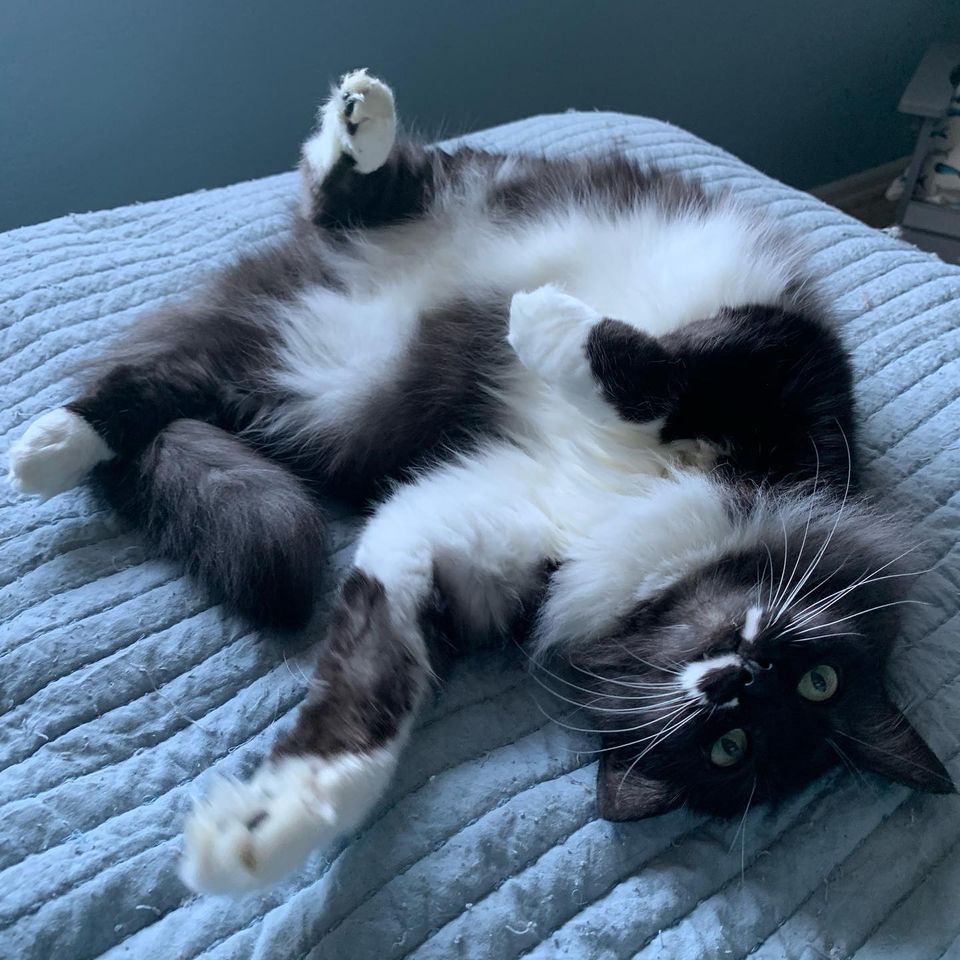
Yesterday, October 29th, was National Cat Day! We could not let this holiday pass by without a shout out in our blog! We at VetStem love cats and employ quite a few self-professed “crazy cat ladies.”

National Cat Day was created to bring awareness to the many cats that need rescuing each year and to “encourage cat lovers to celebrate the cat(s) in their life for the unconditional love and companionship they bestow upon us.” According to the American Veterinary Medical Association (AVMA), in 2017-2018 over 25% of the households in the United States owned cats. With over 30 million households owning an average of 1.8 cats, that means there were nearly 60 million family cats in the United States at the time of the AVMA’s pet ownership survey. That is a lot of cats!

Regenerative Medicine for Cats

To honor our feline friends, we have compiled a review of stem cell uses for cats. Like dogs and horses, cats may benefit from VetStem Cell Therapy for arthritic joints or injured tendons and ligaments. In addition, many veterinarians have used VetStem Cell Therapy in cats for kidney disease, gingivostomatitis, and inflammatory bowel disease.

Osteoarthritis

Though we tend to think of dogs when it comes to arthritis, cats are susceptible to the disease as well. Unlike some dogs, cats are very good at hiding their pain. If you are unsure if your cat is in pain, speak to your veterinarian. We’ve also written a few blogs on the topic: click here and here to learn some of the possible signs of pain in cats.

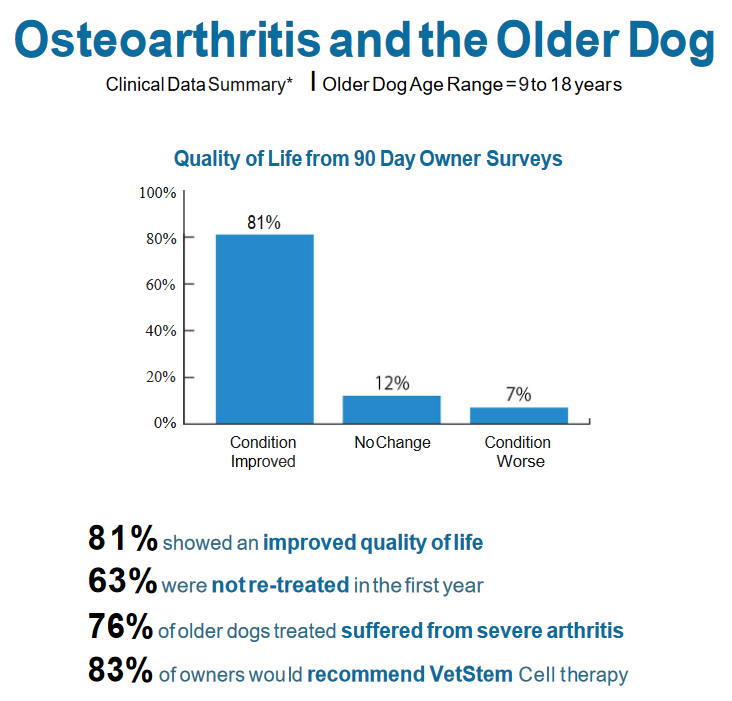
Though most of our osteoarthritis data is from dogs, cats have experienced similar results when treated with VetStem Cell Therapy. Stem cells may reduce pain and inflammation associated with osteoarthritis and may lead to the regeneration of damaged joint tissues. This can result in increased mobility and a better quality of life for your kitty.

Kidney Disease

Nearly 200 cats have received VetStem Cell Therapy for chronic kidney disease (CKD). CKD is a common cause of sickness and death in cats. In fact, some reviews suggest that CKD may be the number one cause of sickness and death in older cats. Unfortunately, treatment options are limited and can be costly.  

VetStem veterinarians have seen some promising results in the treatment of feline CKD. Based upon data from a small number of feline patients treated with VetStem Regenerative Cell Therapy, blood kidney values were slightly to moderately improved after treatment. While more evaluation is necessary, these preliminary results suggest that stem cell therapy may be a low-risk treatment option for cats with CKD.

Gingivostomatitis

Another debilitating feline disease is gingivostomatitis, which affects the gums, teeth and sometimes upper throat of cats. Gingivostomatitis causes oral pain which leads to other symptoms such as decreased appetite, reduced grooming, and weight loss. The most common treatment is extracting all the cat’s chewing teeth, however only about 70% of cats will respond to this treatment. The remaining 30% of cats that do not respond will require lifelong treatment with medications.

Some veterinarians have seen favorable results using VetStem Cell Therapy in cats affected by gingivostomatitis. In addition, two small studies conducted at the University of California Davis showed that when fat-derived stem cell therapy was utilized in addition to teeth extractions there was improvement or remission in the majority of cats treated. VetStem believes that fat-derived stem cell therapy without full extractions may be beneficial.

Inflammatory Bowel Disease

Inflammatory Bowel Disease (IBD) is a gastrointestinal disease that can affect both cats and dogs. It is characterized by inflammation of the intestines and can cause vomiting, diarrhea, reduced appetite, and weight loss. It is important to note however, that these symptoms can be indicative of several conditions including feline lymphoma. Since VetStem Cell Therapy is contraindicated in pets with cancer, it is essential to rule this out before pursuing treatment with stem cells.

Several cats have received VetStem Cell Therapy for IBD. In a case study where a 4-year-old Himalayan cat developed IBD, treatment with VetStem Regenerative Cell Therapy quickly resolved the cat’s diarrhea and vomiting and led to an increased appetite with no recurrence. To add to that, in a recently published paper, 5 out of 7 cats that were treated with stem cells were significantly improved or had complete resolution of symptoms, whereas the 4 control cats had no improvement. One of our veterinary clients also wrote a guest blog about one of his feline patients who received VetStem Cell Therapy for IBD.

If you believe your cat may benefit from VetStem Cell Therapy, speak to your veterinarian. Or contact us to receive a list of VetStem providers in your area. Maybe stem cell therapy is just the gift your cat needs for National Cat Day!

Share
Oct 23, 2020

Meet VetStem’s New Safety and Technical Services Veterinarian

Posted by Bob under VetStem

We recently brought in a new Safety and Technical Services Veterinarian. We are so excited to welcome Dr. Amber Vibert to the VetStem team! Learn more about Dr. Vibert and her veterinary experience in this week’s blog!

Dr. Amber Vibert with Rally and Valor

Shifting Gears: Deciding to Pursue Veterinary Medicine

Dr. Vibert grew up in Connecticut and is a diehard fan of the New England Patriots- even without Tom Brady, if you can believe that (though she concedes that she misses him terribly). Unlike many veterinarians, Dr. Vibert did not grow up with the intention to become a veterinarian. It was quite the opposite.

After receiving her Bachelor’s in clinical psychology with a focus on child development, Dr. Vibert planned to pursue a master’s degree in social work. However, one day she literally woke up and decided to pursue veterinary medicine after realizing that her most stimulating and rewarding job was that of an entry-level veterinary assistant when she was a senior in high school. And so she got a full time position as a vet assistant at a multi-doctor private practice and went back to school part time to complete the higher level science courses she needed to gain acceptance to veterinary school.

From Vet School in Indiana to Sunny San Diego

She completed the necessary schooling in three years and was accepted to Purdue University upon her first application. After her first year of vet school, she visited San Diego and fell in love with the palm trees, the beaches, and of course, the weather. Spending four years in the Midwest while at Purdue made Dr. Vibert miss the ocean. Having grown up on the coast of CT, the ocean was a huge part of her childhood. And while she misses the seasons and charm of New England, she certainly does not miss the long and cold winters. And so, upon graduation from vet school in 2006, Dr. Vibert planted her roots in sunny San Diego!

Gaining Experience in Emergency Medicine and General Practice

When she arrived in San Diego, Dr. Vibert completed a rotating internship at Veterinary Specialty Hospital and went on to spend several years as an emergency veterinarian. She enjoyed the fast pace and the quick decision making of emergency medicine. She stated, “For me, a successful outcome felt like winning the World Series or the Super Bowl!” She also honed her surgical skills and developed a passion for all types of soft tissue surgeries.

In 2011, she shifted gears into general practice. She enjoyed the relationships she built with her clients and their pets. In some cases, she felt like a part of their family. Dr. Vibert stated, “People revealed to me very personal things about their lives, which can sometimes take its toll (i.e. compassion fatigue), but more often just helped me understand them and care for them on a personal level. I became that much more invested in the well-being of their beloved pet.” Prior to joining VetStem, Dr. Vibert spent the last year and a half as Medical Director of a multi-doctor, small animal practice.

Joining the VetStem Team

Now, as our Safety and Technical Services veterinarian, Dr. Vibert has entered a whole new realm of veterinary medicine. Regarding joining the VetStem team, Dr. Vibert stated, “I am so excited to be learning so many new things at VetStem! Some of these things are obvious- learning about stem cells and their applications, learning about our laboratory processes and practices- but I’m also learning things like new computer software systems, how to write scientific papers, and organizing collaborative efforts on clinical development projects. I’m using my brain in ways that I never really had time to do in clinical practice!”

Dr. Vibert serves as our veterinary liaison to further develop relationships with existing and new veterinary clients. With an emphasis on safety, Dr. Vibert consults with veterinarians on stem cell and platelet therapy cases to provide insight and treatment recommendations. She stated, “I am excited for the opportunity to contribute to the betterment of animal and human lives by way of regenerative medicine. I am also looking forward to forging new professional relationships with the veterinarians whom VetStem serves.”

Outside of Veterinary Medicine

In her spare time, Dr. Vibert enjoys endurance running, horseback riding, cooking, traveling, and spending quality time with her husband, Tim. She has her own menagerie of pets that keep her laughing every day. These include one dog (Rally), two cats (George and Stevie Nicks, “Stevie”), one horse (Valor), and two rats (Igor, “Iggy” and “Luka”).

She has had several rats over the last few years (their average life span is ~2.5-3 years) and believes rats are hands down the best small mammal pets to have. She stated, “Rats are smart, social, affectionate, and very trainable. People who don’t know much about domestic rats are sometimes scared or feel adverse to them, but once you get past the stigma that they are dirty (which is very untrue- they are incredibly clean little animals) and get past the hairless tail, you will discover what awesome pets they make!”

So there you have it. Please send a warm welcome to Dr. Vibert and go get yourself a pet rat!

Share
Oct 16, 2020

Guest Blog: VetStem Cell Therapy for My New Puppy!

Posted by Bob under VetStem Cell Therapy

Hi everybody! Kristi Hauta here, Director of Commercial Operations. I hijacked Dr Harman’s blog this week to give you a little update on my newest furry family member!

Little Miss Elphie!

Like many people, the social distancing and stay at home orders over the past 7 months has caused stress and anxiety for me and my family. All the uncertainty about what was going to happen next had us in a funk. So, like many others, we decided to get a puppy to brighten up our lives! Granted, it wasn’t entirely spontaneous. We have been contemplating a new dog for several years, we just hadn’t decided on one yet.

At the beginning, we were considering several small breeds. But in the end, we decided that a Newfoundland was the right choice for us. And so…Meet Elphie: the 8-month-old, 80-pound, Goofy Newfie! Now, I will tell you, the biggest dog I have ever owned was a beagle, so I really wasn’t sure what to expect with Elphie. But, even with her lumbering size, she is by far the sweetest and most gentle dog I have ever had the pleasure of owning.

Well, this past week, it was time to get Elphie spayed. Because of her size and the breed’s disposition, I also elected to have a gastropexy done, a surgical procedure to help prevent bloat. Since she was already going to be anesthetized, I asked her veterinary surgeon, Dr. Holly Mullen, to collect some of Elphie’s fat for stem cell therapy. The fat was processed by our wonderful and experienced lab techs here at VetStem, and Elphie’s stem cells were extracted and concentrated.

Cone of Shame

Because she had just undergone multiple abdominal surgeries, I felt Elphie could benefit from a dose of her stem cells to help with post-surgical healing. The day after her procedure, Elphie received one intravenous dose of her own stem cells. These cells, when introduced into the body, have the ability to home to areas where inflammation is present and to down-regulate inflammation and pain. Furthermore, stem cells may improve the quality of healing with the ability to regenerate tissue and reduce scar tissue formation.

In addition to her single IV dose, Elphie has numerous stem cell doses cryopreserved at VetStem. Due to her large size, she is likely to experience osteoarthritis as she ages. Knowing I have cells stored for Elphie for potential future use is priceless to me. Not only can these cells be used for arthritis, but we are always investigating new diseases that stem cells can be used to treat. Some of our current “Clinical Research Programs” include inflammatory bowel disease (canine and feline), canine back pain, and canine dry eye. While I hope Elphie remains healthy and never has a need for her stem cells, it does make me feel better knowing that option is available.

Though I elected to treat Elphie with one stem cell dose to aid her post-surgical healing, we also offer a process called StemInsure. Similar to storing your (human) baby’s stem cells at birth, the canine StemInsure process provides peace of mind with banked stem cells that can be used later in life. The StemInsure is similar to our standard stem cell process in which we extract stem cells out of your dog’s own fat, however doses are not prepared for immediate treatment. Instead, the cells are placed into cryopreservation and can be cultured to grow usable stem cell doses in the future. The great thing about the canine StemInsure is the fat can be collected in conjunction with an already scheduled, routine procedure such as a spay or neuter.

If you are interested in stem cell therapy for your dog, cat, or horse, speak to your veterinarian or contact us for a list of VetStem providers in your area.

Share
Oct 9, 2020

The Link Between Obesity and Osteoarthritis

Posted by Bob under osteoarthritis, Pet Obesity

Over the past 10 years, there has been a significant increase in pet obesity rates according to a report conducted by Banfield Pet Hospital. In this report, Banfield determined obesity is the second most common health problem in our pets with 1 out of 3 dogs and cats (in the Banfield population) classified as overweight.

Obesity may cause or exacerbate multiple health issues, including osteoarthritis. Osteoarthritis is a painful inflammatory condition of the joints that is progressive, meaning without intervention it continues to get worse over time. One of its most significant contributing factors in dogs and cats is being overweight. In fact, dogs that are overweight or obese are 2.3 times more likely to be diagnosed with osteoarthritis. That means an overweight dog is more than twice as likely to suffer from this painful disease than a dog of ideal weight. With obesity in pets on the rise, it makes sense that osteoarthritis is also on the rise.

The link between obesity and osteoarthritis is an unfortunate vicious cycle: Weight gain causes more wear and tear on your pet’s joints, leading them to be less active and potentially gain more weight. Likewise, sore joints can lead a pet to be less active which can then lead to weight gain. If weight is not lost, the cycle will continue.

Furthermore, reduced activity often leads to more stiffness and pain. As we discussed in this blog, regular exercise tailored to your dog’s breed and physical abilities may reduce the severity or even delay the onset of osteoarthritis. Regular physical activity helps to build and maintain muscle mass as well as aid in joint fluid circulation, both of which support healthier joints.

If you are unsure if your pet is overweight or suffering from osteoarthritis, consult this blog and speak with your veterinarian. Oftentimes pet parents are unaware that their furry family member is overweight or uncomfortable. Veterinarians are trained to assess your pet’s Body Condition Score or “BCS” (see BCS charts for Dogs and Cats to learn more) and detect pain during their physical exam. In addition to increasing controlled exercise, calorie control is also essential. Your veterinarian can help create a diet plan specific to your pet’s needs. Maintaining an ideal body weight is crucial in minimizing discomfort related to osteoarthritis.

If your dog or cat needs more help with his/her osteoarthritis beyond weight loss and customary medications, consult with a veterinarian regarding treatment with VetStem Cell Therapy. Stem cells have demonstrated the ability to reduce pain and inflammation and to aid in the repair of damaged joints. Need a list of VetStem providers in your area? Contact us here.

Share
Oct 2, 2020

Dog Receives VetStem Cell Therapy for IVDD

Posted by Bob under IVDD, VetStem Cell Therapy

We frequently share stories about dogs that received VetStem Cell Therapy for orthopedic conditions such as osteoarthritis and injured cruciate ligaments. But stem cell therapy may potentially help a number of other conditions. Veterinarians have used VetStem Cell Therapy to treat various diseases including renal failure, inflammatory bowel disease, gingivostomatitis, and dry eye.

VetStem Clinical Research Programs

All of the above diseases fall under our Clinical Research Programs. These programs are designed to evaluate the safety and possible effectiveness of stem cell therapy for specific conditions before we move on to performing a clinical trial. Another current Clinical Research Program is for Canine Back Pain. This is obviously a broad condition so feel free to read our blog about this particular program. One condition that falls under the Canine Back Pain program is Intervertebral Disc Disease.

Intervertebral Disc Disease

Intervertebral Disc Disease (IVDD) is a condition in which one or several intervertebral discs in the spine bulge, resulting in pressure on the spinal cord. This pressure may result in extreme pain and possibly loss of limb function. IVDD can be a result of chronic disc degeneration or from an acute injury. Conservative treatment with pain medications and anti-inflammatories may help patients who have a gradual onset of symptoms or whose symptoms are mild. In severe cases or when there are repeated episodes, surgery may be recommended.

Bailee

Bailee Received VetStem Cell Therapy for IVDD

Bailee, an English Springer Spaniel, was approximately fourteen years old when he injured his neck. He jumped off a deck that was about four feet off the ground and yelped in pain. He was diagnosed with IVDD and was prescribed pain medications. Unfortunately, the medications made him very lethargic and did not help his pain so his owner sought a second opinion.    

Dr. Susan Burkhart of Animal Medical Center of Ontario examined Bailee and recommended treatment with VetStem Cell Therapy. Within one week after his stem cell therapy, Bailee’s owner reported that she noticed a huge difference. She stated, “He was once again smiling, and out of pain. It has been 2.5 years since then, and Bailee is one happy pup, once again, and able to live many more years pain free. I am so grateful and would do again for any of my pets.”

While stem cells have demonstrated the ability to reduce pain and inflammation, there is limited data to support the use of stem cell therapy for the treatment of IVDD. Since this condition develops for different reasons, the stem cell protocol and outcome can vary for each dog. Any inquiries regarding treatment of similar conditions or other non-standard indications should be directed to VetStem personnel.

Share
Sep 25, 2020

VetStem CEO Webinar: Stem Cells for Pets and People

Posted by Bob under Stem Cells, VetStem

If you have some time, click the picture below to view a recent webinar from VetStem CEO Dr. Bob Harman. Dr. Harman discusses VetStem Cell Therapy in depth and also gives tons of information about our human stem cell studies including an upcoming FDA approved COVID-19 clinical trial.

In this video you will learn the history of VetStem and what stem cells do to promote healing. You will also learn about the various diseases VetStem Cell Therapy has been used for. If you skip ahead to approximately 14:50, Dr. Harman shifts to discuss our human stem cell company, Personalized Stem Cells, Inc. At approximately 19:00 Dr. Harman begins talking about PSC’s upcoming FDA approved COVID-19 trial. He provides information about recent stem cell studies for COVID-19 and details about the PSC study. You don’t want to miss this!

Share
Sep 18, 2020

Stem Cell Therapy May Reduce Pain in Pets

Posted by Bob under Pain in Pets, Stem Cell Therapy

As Animal Pain Awareness Month continues, we wanted to share some information about how stem cells may relieve pain in pets. We frequently share stories about dogs with osteoarthritis who regain mobility and a better quality of life after receiving VetStem Cell Therapy. While stem cells utilize multiple mechanisms of action, one primary benefit of stem cells is their ability to reduce inflammation and pain.

Pain in Pets

As we mentioned in last week’s blog, pets can suffer from acute and chronic pain. Pain in pets can result from a variety of causes and there are three primary classifications of pain:

  • Nociceptive – caused by noxious stimulation (injury/physical damage, exposure to chemicals or exposure to extreme temperatures)
  • Inflammatory – caused by acute or chronic inflammation
  • Neuropathic – from damage to an element of the nervous system

Stem Cells are Anti-Inflammatory

One major mechanism of action is the ability of stem cells to down regulate inflammation. By reducing inflammation, stem cells promote healing and increase comfort. When used to treat osteoarthritis, stem cells may promote cartilage regrowth and therefore healthier and less painful joints.

Stem Cells Act Directly on Pain

While a reduction in inflammation can lead to increased comfort, current literature supports that stem cells have the ability to address both acute and chronic pain directly. Recently, there have been studies to evaluate stem cells’ direct effects on modulating pain. Stem cells have been shown to secrete pain blocking cytokines (small proteins), which can have opioid-like effects. Stem cells have also shown the ability to reduce neuroinflammation (inflammation of the nervous tissue).

If you think your pet may benefit from stem cell therapy, contact us for a list of VetStem providers in your area.

Share
Sep 11, 2020

September is Animal Pain Awareness Month

Posted by Bob under Pain in Pets

The International Veterinary Academy of Pain Management (IVAPM) has declared September as Animal Pain Awareness Month. Pets tend to be good at hiding their pain, so it is important for veterinarians to educate their clients to spot the potential signs of pain in their pets. This month is dedicated to raising awareness to help pet owners recognize and manage their pet’s pain.

According to the North American Veterinary Community, more than 45 million household pets suffer from acute or chronic pain. Acute pain is characterized by pain that has come on suddenly or has only been present for a short period of time. Examples of acute pain include pain after surgery or from a new injury, such as a fall. Alternatively, chronic pain can be more subtle and may be considered just “slowing down” or “getting old.” An example of chronic pain is osteoarthritis pain.

But how do you know if your pet is in pain? As we mentioned, pets can be good at hiding pain. But there are some potential signs of pain in pets that you can keep an eye out for. The IVAPM has provided a list of the most common signs of pain in pets:

  • Decreased activity – Take notice if your animal is not playing as much as usual
  • Not going up or down stairs – This could be an early sign of osteoarthritis
  • Reluctance to jump onto surfaces – This especially applies to cats
  • Difficulty standing after laying down – This is a sign of osteoarthritis
  • Decreased appetite – This can signal mouth pain
  • Over grooming or licking a particular area – This can be a sign of referred pain

While September is Animal Pain Awareness Month, it’s a good idea to keep an eye out for these potential signs of pain at all times. If you notice that your pet is exhibiting any of these signs, call your veterinarian.

Share
Sep 4, 2020

VetStem Raises the Bar for Veterinary Stem Cell Therapy

Posted by Bob under Stem Cell Therapy, VetStem Biopharma

As the first company to provide adipose derived stem cell services to veterinarians in the United States and Canada, VetStem has processed nearly 14,000 patient samples resulting in over 30,000 stem cell treatments for animals. VetStem Cell Therapy is primarily used for the treatment of orthopedic conditions such as osteoarthritis as well as torn tendons and ligaments in dogs, cats, and horses. In addition to domestic animals, VetStem has worked with multiple exotic animal organizations to provide stem cell therapy for several exotic species. (Read last week’s blog about Brody the bear!)

Veterinarians have also used VetStem Cell Therapy to treat several “non-standard” indications. Some of these include feline chronic kidney disease, inflammatory bowel disease, feline gingivostomatitis, and canine keratoconjunctivitis sicca (“dry eye). While we are still researching the full capabilities of stem cells, veterinarians have seen promising results when treating these and other conditions with VetStem Cell Therapy.

VetStem has been providing stem cell processing services to veterinarians for their patients for over 17 years. We pride ourselves on providing the highest quality stem cell processing services for all patient samples. Our laboratory technicians undergo extensive training and dedicate the majority of their workday to stem cell processing. All patient samples are processed in bio-safety cabinets in hepa-filtered cleanrooms. We take sterility and patient safety very seriously.

In addition, VetStem determines the cell yield and viability of each sample to ensure an accurate dose prior to shipment. Using cell counting technology allows us to know the number of cells packaged in each stem cell injection. We continually draw upon existing and new research as well as 17+ years of experience to determine appropriate cell numbers.

If you think your pet may benefit from stem cell therapy, speak to your veterinarian about the possibility of using VetStem Cell Therapy. We have provided a letter you can take to your vet to help them get better acquainted with the science behind stem cell therapy and VetStem’s services. Or you can contact us to receive a list of VetStem providers in your area.  

Share
Aug 28, 2020

Brody the Bear Receives VetStem Cell Therapy

Posted by Bob under VetStem Cell Therapy

Brody is a Florida black bear that had a pretty rough start in life. He was found abandoned at approximately 3 weeks of age in Ocala National Forest. The Florida Fish and Wildlife Conservation Commission were unsuccessful in finding his mother and determined he had severe respiratory issues and a weak suckling response. Because he was abandoned at such a young age, he was not a candidate for release. Thus, he was transferred to the Brevard Zoo for long-term care. Fortunately for Brody, Zoo team members nursed him back to health and continue to give him hours of exercise and socialization.

Not Out of the Woods Yet

In May, when Brody was approximately 4 months old, caregivers noticed that Brody’s abdomen was sensitive and that he was repeatedly licking the area. He was anesthetized for an examination and it was determined that Brody has a condition similar to hip dysplasia in dogs. His hip joints are malformed and, if left untreated, will lead to severe pain and osteoarthritis. In an effort to avoid this fate, it was determined that Brody would undergo a corrective surgery known as juvenile pubic symphysiodesis (JPS).

Dr. Christiansen injecting Brody’s own stem cells into his hip

A Skilled Surgeon Steps Up to the Plate

As luck would have it, Dr. Jeff Christiansen, board-certified surgeon and avid stem cell user, was contacted to perform Brody’s surgery. Dr. Christiansen has performed JPS on puppies with great success and felt that Brody would be a good candidate for the procedure. While he had Brody on the operating table, he collected some fat for stem cell processing.

Brody’s fat was received at the VetStem laboratory where his stem cells were extracted and put into culture to grow stem cell doses. Once complete, three stem cell doses were shipped back to Dr. Christiansen. Brody received one injection in each hip as well as one intravenous injection.

A Happy Ending

According to the Brevard Zoo, Brody is recovering well. It will be quite some time before they can evaluate the long-term effectiveness of the surgery but the good news is, Brody has 15 stem cell doses banked for potential future use. When VetStem Cell Therapy is used in conjunction with surgery, the stem cells act to reduce pain and inflammation and to promote healing.

Brody is not the first bear that VetStem has helped. In 2018, Francis, a sun bear at the San Diego Zoo, received VetStem Cell Therapy for arthritis, using his own stem cells. You can read Francis’ stem cell story here.

Share