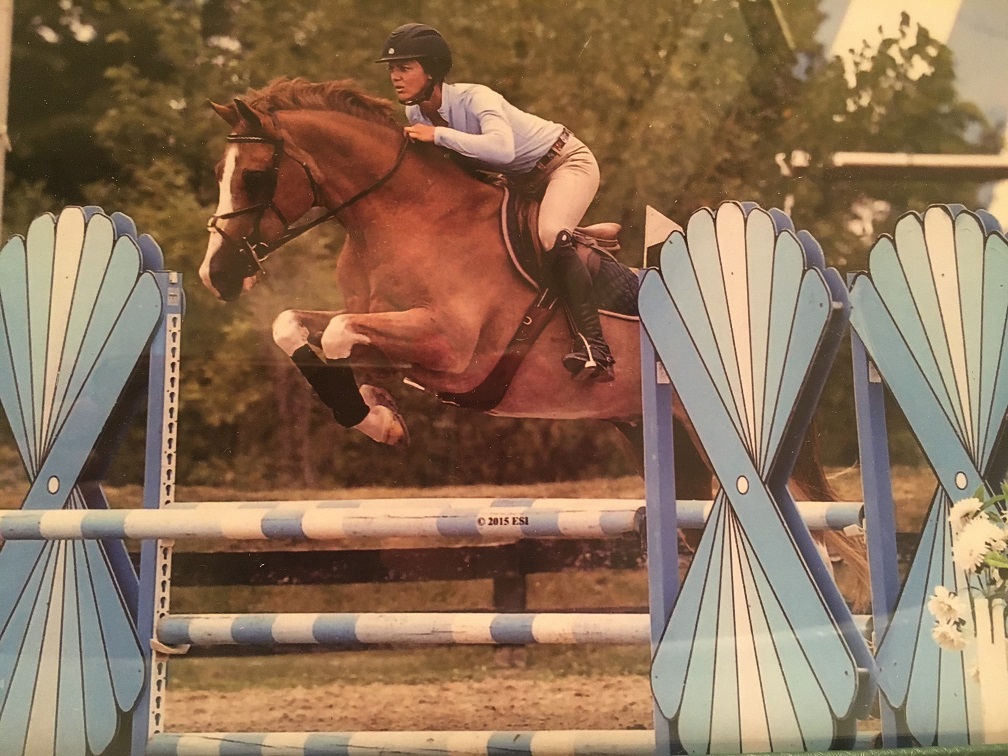
Heartbeat is a 22-year-old Oldenberg gelding. When he was 16, he
started to show signs of lameness in his left front leg. Extensive examinations
and diagnostics revealed his lameness was due to injuries to his lateral collateral
and impar ligaments in his left front hoof.
Heartbeat in the Jumper Ring
His veterinarian, Dr. Patricia Doyle of Mid-Atlantic Equine Medical Center,
recommended treatment with VetStem Cell Therapy and began the process by
collecting fat from Heartbeat’s tailhead. The fat was processed at the VetStem
laboratory and 3 syringes of Heartbeat’s own stem cells were shipped back to
Dr. Doyle for injection into his injured leg.
In addition to VetStem Cell Therapy, Dr. Doyle recommended a slow,
regimented rehabilitation program for approximately 8-12 months following Heartbeat’s
stem cell treatment. Veterinarian’s may or may not recommend rehabilitation
in conjunction with VetStem Cell Therapy depending on several factors such
as the condition being treated and the severity of the condition. Some other
horses that benefited from rehab after receiving VetStem Cell Therapy are Jesse,
Atlas,
and Woody.
Following stem cell therapy and one full year of rehab, Heartbeat
returned to the jumper ring and has competed successfully at the lower levels
for the past 6 years. Now, at age 22, his owner reports, “He remains
sound working six days a week on average and still winning in the show ring.”
If
your horse has suffered an injury or is suddenly lame, speak to your
veterinarian about whether or not VetStem Cell Therapy may help. Or contact us to receive a list of VetStem
providers in your area.
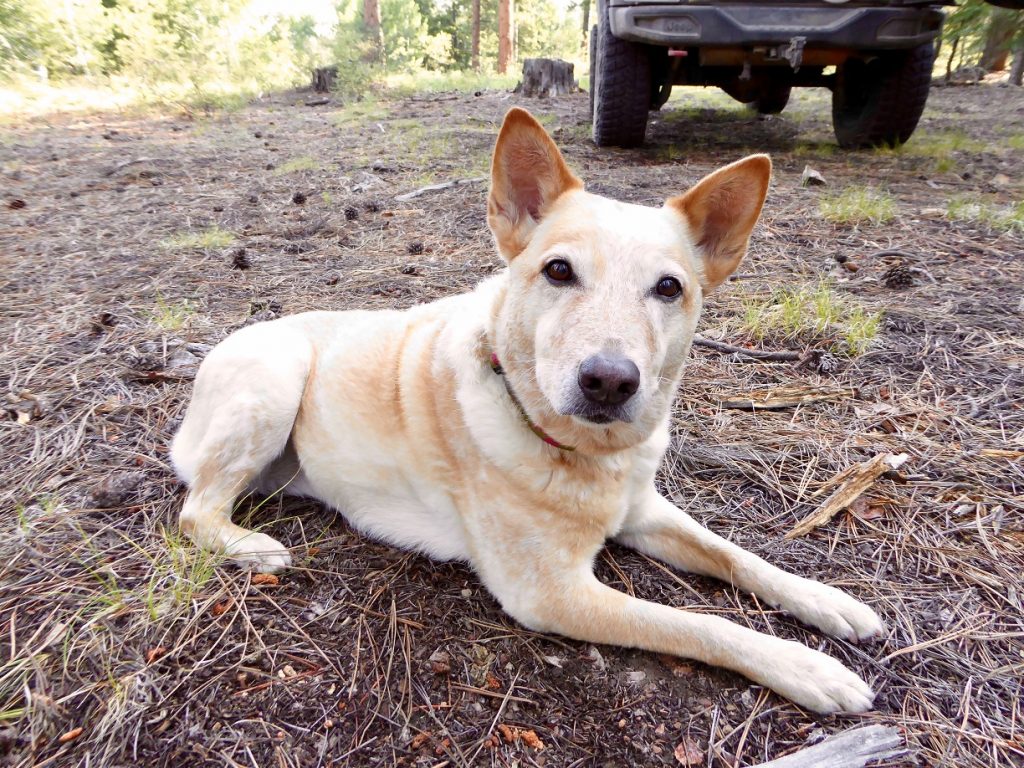
Emma is a 12-year-old Australian cattle dog. She has arthritis in her
elbows and carpus (wrist) and also has spondylosis, a spinal condition in which
bony spurs form along the vertebrae. Fortunately for Emma, her mom is a
veterinarian and elected to have Emma treated with VetStem Cell Therapy.
In 2018, Emma had her fat collected to begin the process for stem cell
therapy. Her initial treatment consisted of three joint injections for her elbows
and right carpus, one intravenous injection, and one injection that was given
along the muscles of her spine. She responded well to treatment.
After approximately one year, Emma began to slow down again. Her veterinarian
requested that Emma’s stem cells be put into culture to grow more stem cell
doses for treatment. Once the culture process was complete, Emma received a
second round of stem cell injections just over one year after her first treatment.
Again, Emma responded well to the stem cell treatment but, according to her mom, began to show signs of discomfort approximately one year after her second stem cell treatment. Her mom stated, “What we notice is weakness to her back legs and mild limping on her front legs. She will also lick at her carpi and elbows when her pain is acting up. When her rear legs are weak, we notice she has trouble jumping onto the couch. She also needs to stop and rest frequently when we take her on walks.” Emma received a third stem cell treatment in June of this year. Her mom stated, “I know she would not be alive today if it wasn’t for the stem cell treatment.”
Emma’s story is not uncommon. Many VetStem patients have undergone repeat injections when their symptoms start to flare up again. One such patient is Bodie, the champion Bird Dog with hip dysplasia. Fortunately, VetStem offers stem cell storage for patients who receive VetStem Cell Therapy. If available, the stored stem cells can be used for future treatments as needed. For more information about cell storage, read our recent blog on the subject.
As the first company in the
United States to provide adipose-derived stem cell processing services to
veterinarians and their patients, VetStem pioneered the use of regenerative
stem cells in veterinary medicine. Since 2003, VetStem has trained nearly 5,000
veterinarians across the United States and Canada to perform VetStem Cell
Therapy. We have processed fat samples for over 14,000 patients and 30
different species of animals.
Twelve of our VetStem trained
veterinarians have provided VetStem services for over 100 of their patients.
The “Centennial Club,” as we like to call them, are among the most experienced
adipose-derived stem cell providers in the country. Seven of the Centennial
Club members are small animal veterinarians while the other five are equine
veterinarians. The Centennial Club members are:
Equine Dr. Ross Rich of Regenerative Therapy Consulting Dr. Martin Gardner of Western Performance Equine Dr. John McCarroll of Equine Medical Associates Dr. Bill Hay of Tryon Equine Hospital Dr. Scott Reiners of Mountain View Equine Hospital
Each of the above veterinarians
has made VetStem Cell Therapy an integral part of their veterinary practice.
They are all experienced in case selection and have seen many positive
outcomes. We think it’s worth mentioning that two of the above veterinarians have
reached even bigger milestones. Dr. Martin Gardner has surpassed 500 stem cell
cases and Dr. John McCarroll has over 250 stem cell cases. Additionally, there
are four more veterinarians who are approaching 100 stem cell cases.
Stem cells are regenerative cells
that can differentiate into many tissue types. In both small animals and horses,
stem cell therapy is most often used to treat orthopedic conditions such as
osteoarthritis and injured tendons and ligaments. VetStem Cell Therapy has
shown to reduce pain and lameness and improve quality of life and return to
work for horses. If you would like to locate a VetStem provider near you,
please contact
us.
Our human stem cell company, Personalized Stem Cells, Inc.
(PSC), recently announced that they filed a request with the FDA for expedited
review of an Investigational New Drug (IND) application for the treatment of COVID-19
patients with stem cells. PSC was asked by the White House Coronavirus Task
Force to apply for expedited review through a new FDA program called the Coronavirus
Therapeutic Accelerator Program (CTAP). CTAP was launched to help expedite the
approval process of clinical trials for promising COVID-19 therapies.
Stem Cells for COVID-19
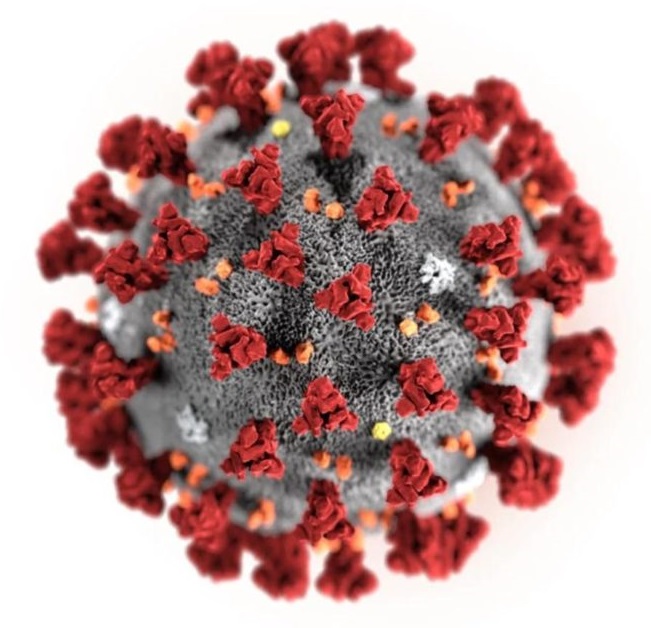
Recent studies evaluating the effects of stem cell therapy in COVID-19
patients have come out of China and Israel showing strikingly positive results.
Stem cells have anti-inflammatory properties and the ability to reduce scar
tissue formation. Stem cell therapy has the potential to reduce the serious lung
complications that occur as a result of infection with COVID-19. The goal of
treatment is to reduce time spent in the ICU, reduce ventilator needs, and increase
chances of survival for seriously ill COVID-19 patients.
PSC has scaled up production of stem cells in their FDA-inspected
facilities to be ready to provide stem cell treatments upon FDA approval. If
approved, the initial
COVID-19 clinical trial, termed “CoronaStem 1,” will provide treatment for twenty
hospitalized COVID-19 patients with serious complications. The first trial will
be conducted in a limited number of local San Diego hospitals. PSC anticipates
additional approvals and potential compassionate use in the future to allow for
many more patients to be treated.
How can you help?
As a small business, PSC is utilizing their own resources to ramp up
stem cell production. However, supplies and laboratory technicians are
necessary to further increase production of stem cells. PSC plans to provide
stem cell treatments to COVID-19 patients at no cost to the patient which
requires additional money to pay the doctors, nurses and other healthcare
workers who will be performing the clinical trial. Thus, PSC is reaching out to
the public for donations to help in this fight against COVID-19. Your tax-deductible
donation will allow PSC to provide stem cell treatments for as many COVID-19
patients as possible. All donations will go towards increasing stem cell
production and paying doctors, nurses, technicians, and all those involved in performing
the medical procedures for the clinical trial.
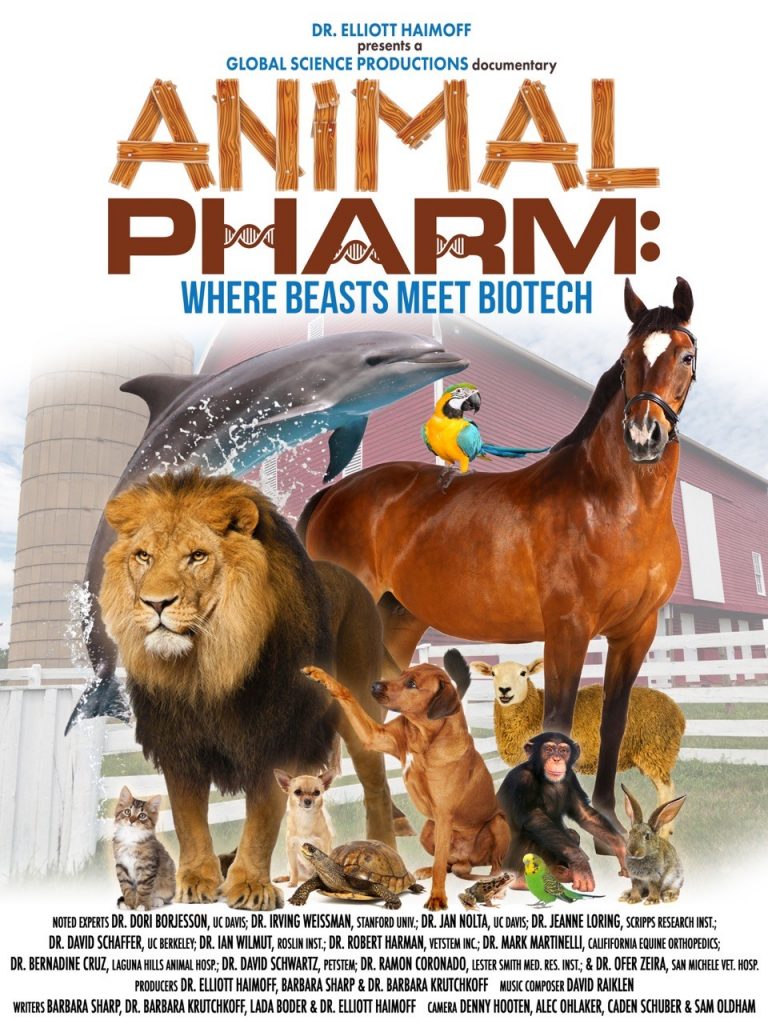
In our blog about translational
medicine, we announced that VetStem was featured in an award-winning
documentary, Animal
Pharm: Where Beasts Meet Biotech. The
film was included in the Brentwood and Pacific Palisades International
Film Festival in Los Angeles, California where it received the award for Best
Nature and Animals Film.
The documentary focuses on regenerative
veterinary medicine as a means of improving the quality of life for domestic
and wild animals and heavily features VetStem, including an interview with
VetStem Founder and CEO Dr. Bob Harman. Dr.
Harman explains that when he first conceived of and formed VetStem, he was
called “crazy.” Over time however the thinking has evolved so that regenerative
medicine is now regarded as a legitimate and valuable tool for veterinarians.
We recently received the exciting
news that the film will be featured in the Palm Beach
International Mini Movie and Film Festival on December 9th in Palm
Beach, Florida. Not only will the film
be featured, the producers will also be presented with the award for Best
Documentary! Congratulations to everyone
involved in the making of the film.
We are proud to be a part of
this film and believe that it provides a great service to the public by
providing legitimate education about cell therapy in the veterinary field and
how this can assist the field of human stem cell therapy.
This week we would like to introduce you to VetStem proponent, Dr. Cindy Echevarria of VCA University Animal Hospital in Dallas. Dr. Echevarria has been utilizing VetStem Cell Therapy since early 2015 and has treated nearly 40 patients, including her own dog, Bella. Dr. Echevarria also treated Stuart, the Lab with a soft tissue injury and Seve, a Golden Retriever with osteoarthritis in his hips.
We recently caught up with Dr. Echevarria
to ask her some questions about how she utilizes VetStem Cell Therapy. See her answers below.
At what point in the process do you
recommend stem cell therapy for your patients (ie, when the injury/ailment is
first diagnosed, after meds have proven unsuccessful/detrimental, etc.)
I usually recommend stem cell for all
orthopedic injury cases, particularly ACL tears, and arthritic
cases. For cruciate injuries I find combining the TPLO or repair
surgery with the collection part of the stem cell process to be easy on the pet
and the owner since the recovery process goes unchanged. Anything
that does not inconvenience the owner further but helps the pet makes
it easier to relay the benefits to the owner. Since aftercare
alone is a lot to take on for each procedure alone, being able to manage both
at the same time saves the owner time and stress (versus doing the procedures
independently). Also, as discussed at the time of injury, once one
ACL tears it is very common for the other to tear in the future.
Having the stem cells available in the future allows for re-infusion into
originally affected limb and new limb if needed without having to collect
additional cells. Some owners do not have the funds to do all
at once, but at least discussing the options with them helps them narrow down
where their funds would be best utilized.
I also commonly bring it up for owners who
are tired of what they perceive as over-medicating or “nothing works”
idea. Many of the cases I have done that
were on medications have been able to be reduced significantly to none in some
cases. Although it can be mentioned as last resort if nothing else
works, I feel like the sooner stem cell is used on the pet, the higher chances
of success. Including offering StemInsure when they are young (at time of
spay or neuter) for those breeds that are prone to arthritis or those dogs
(hunting, agility, etc) that are at higher risk of needing stem cell in
their future.
I had a Newfoundland puppy that I did StemInsure
on for her potential bilateral elbow dysplasia that her predecessor had and the
fact of her size/breed overall. 2.5 years later she tore her ACL.
Her cells were already stored at that time and only had to be processed at the
time of her knee repair. Worked really
well and the owners were pleased that that had even been offered back when she
was a puppy. It has been about 1.5 years since her TPLO/stem cell
infusion and she continues to not need pain management. She only takes Dasuquin
(which I advise for all my patients with injuries or arthritis), regardless of
stem cell.
What parameters make a patient a good
candidate for stem cell therapy?
*are we on pain management and only
minimal improvement?
*has the pet been on long term meds and
liver/kidney values now an issue? medications are more limited now
*are their neurologic
deficits? If yes, I generally do not proceed with stem cell.
I always offer a free initial assessment to see if stem cell would even be an
option for the pet.
*does the pet have or has had
cancer? I usually do not proceed with stem cell.
*what other conditions might the pet have
that would compromise the effectiveness of the stem cells or are they higher
risk for anesthesia for the collection process?
Advice for pet owners considering stem
cell therapy for their pet.
There is so much benefit from stem cell
aside from joint related ailments, that just reading about it and asking for
testimonials goes a long way. I am always open to calls for those interested
or just want to know more about it. I am also very real about the fact
that it is intense and probably inconvenient for most the following 8
weeks after infusion, but it does get results.
If you’re located in the Dallas/Fort Worth
area and are interested in VetStem Cell Therapy for your dog or cat, we
recommend a visit with Dr. Echevarria.
VetStem was recently featured in a documentary about Regenerative Veterinary Medicine called Animal Pharm: Where Beasts Meet Biotech. We’ll share more about this soon, but one interesting aspect of the film is the commentary on how advances made in veterinary medicine are translating into the human medical field.
It’s not an uncommon narrative: a new medical technology or drug emerges in the veterinary field and after research and outcome data are compiled, scientists and doctors begin to wonder how humans may benefit from the same technology. Known as translational medicine, Animal Pharm takes a look at how we’ve begun to apply what we know about stem cell therapy for animals to human medicine.
As a leader in the field of Regenerative Veterinary Medicine, VetStem strives to remain one step ahead and we recently announced the launch of our human stem cell company, Personalized Stem Cells, Inc. (PSC). PSC was launched to advance and legitimize human regenerative medicine, which until recently, has been largely unregulated. Recent regulatory action by the FDA, FTC, and the Federation of State Medical Boards has made it clear however that the only allowed use of stem cells will be through legitimate FDA clinical trials.
As such, PSC plans to launch FDA approved human stem cell clinical trials later this year. The company recently announced their first Investigational New Drug application to the FDA for the treatment of osteoarthritis in the knee. If you are interested in more information, you can contact PSC here.
These are exciting times we’re living in. Though our primary goal has been to improve the lives of animals, it was always in the back of our minds that the technology we’ve worked so hard to develop and advance might one day be able to help humans also. We are excited to see this dream becoming a reality.
In this week’s “Meet VetStem” blog series, we introduce you to Sue, our Director of Clinical Development. Sue has been with VetStem from the get-go and with her level of experience, she wears many hats. In her role as Director of Clinical Development, Sue helps Dr. Bob Harman and Kristi oversee the compassionate use stem cell cases. She also handles the exotic animal cases such as Francis, the sun bear from the San Diego Zoo. In addition to this, Sue works closely with our Quality Assurance and R&D teams to conduct and manage clinical studies and collect and analyze post-study data. Perhaps one of her most important roles at VetStem is that of Animal Safety Advocate. In this role, Sue oversees the safety of all patients treated with VetStem Cell Therapy to identify and remedy any potential risks associated with treatment.
Sue has a BS from UC Davis and is a Certified Animal Health Technician. Prior to joining VetStem, Sue worked in various animal and scientific fields. Her animal experience ranges from grooming and training dogs to working with dairy cattle and pigs. She has trained her own dogs in various activities including obedience, scent hurdle racing, herding, and agility but mostly just how to be a pleasant part of the family. Animals have been a part of her family for as long as she can remember including dogs, cats, birds, and horses.
Sue and Dr. Harman share two adult children, Kristi and Kevin, both of which were homeschooled at various points in time before college. They currently own 6 cats, 3 dogs, 2 horses, and several birds. Two of their dogs, Ben and Sally (pictured below), can be seen hanging around the VetStem office on a regular basis. In her free time, Sue enjoys trail walks, especially near bodies of water. She also enjoys studying about various holistic therapies and tries to apply them to herself and her family, both 2 and 4 legged.
Sue’s commitment to patient safety and quality assurance is unparalleled. With her level of knowledge and attention to detail, Sue is an essential member of the VetStem team. Thank you, Sue for your hard work and dedication!
Cancer is a diagnosis no pet owner wants to hear. Occasionally pet owners will contact us to ask if VetStem Cell Therapy can be used to treat or cure their pet’s cancer. Unfortunately, VetStem cells cannot be used to treat cancer. But what about pet’s who have an orthopedic condition that may benefit from stem cell therapy who also have cancer?
As a precaution, we monitor the occurrence of cancer in patients treated with VetStem Cell Therapy closely and have not seen a higher incidence than what is reported in patients of the same age group that were not treated with stem cells. The literature supports that adult stem cells do not directly turn into cancer cells. There is also literature regarding stem cell therapy in women who have had mastectomies which shows no higher incidence of recurrence of cancer.
VetStem takes a conservative approach when it comes to patients with cancer because there is still a lot that we don’t know about stem cells and how they work so we err on the side of safety. We do not recommend stem cell therapy for patients with active or recent cancer.
However, as pet owners ourselves, we understand that in some cases, the potential benefits of stem cell therapy may outweigh the potential risk in patients with active or recent cancer and therefore a pet owner may elect to move forward with stem cell therapy. This decision is usually reached after a consultation between your veterinarian and a VetStem veterinarian and requires pet owners to sign a special waiver. Some things to consider when making this decision are: age of your pet, severity of the cancer, other medical conditions, and your pet’s current quality of life. There is also an option for patients with cancer to only receive joint injections and not an intravenous injection.
One of the services that VetStem provides is cell banking, or storage, of your pet’s extra stem cells. Once the stem cells are extracted and concentrated from your dog’s, cat’s, or horse’s fat tissue, they are portioned into “doses” either for immediate use or for storage in cryopreservation tanks.
There are several reasons why we store any extra stem cells that aren’t needed for the initial treatment. By storing your pet’s extra cells, your veterinarian will have the ability to request additional doses for future treatments if necessary. Future treatments can be used if your pet’s condition causes discomfort again, if your pet gets re-injured, or even if your pet develops a new condition that was not previously treated. Our friend Bodie, a longtime stem cell recipient, is a perfect example of why storing stem cells can be beneficial.
It is important to note that cell yields vary and not every patient has enough to store extra doses. That being said, VetStem stores what we call a “Retention Sample” for nearly every patient. The Retention Sample is a small number of your pet’s stem cells that is cryopreserved and saved for a potential future culture. What this means is, if your pet uses up all of his/her stem cell doses, VetStem can use the Retention Sample to initiate a stem cell culture to grow more of your pet’s own stem cells. This process takes a few weeks and does incur an additional charge however it allows us to potentially create a lifetime supply of stem cell doses for your pet. Both Bodie and Whisper have had their stem cells cultured so they may continue with treatment as needed.
Another benefit to storing your pet’s extra stem cells is that it eliminates the need for another fat collection procedure, should your pet require additional treatments. This is especially important for older dogs and cats or patients who are otherwise not a good candidate for anesthesia. By storing your pet’s extra cells and avoiding additional fat collection procedures, you are potentially saving money and reducing the amount of times your dog or cat has to undergo anesthesia. Though horses do not require full anesthesia for the collection procedure, the fat collection is still a minor surgical procedure and thus incurs additional expense.
Clearly, there are many benefits to storing your pet’s extra stem cells. VetStem stores each patient’s extra cells for one year at no extra charge. After the first year there is a nominal fee, charged annually, to continue storage. We also offer discounts if you pay for multiple years up front. We occasionally get questions from owners regarding storage and whether or not they should continue. Our advice is to consider the bigger picture. For instance, does your dog or cat have an ongoing degenerative disease such as osteoarthritis that may worsen over time? Is your dog or horse a performance or working animal that is at risk of getting injured? If the answer is yes, then it is most likely in your (and your pet’s) best interest to continue your pet’s stem cell storage.