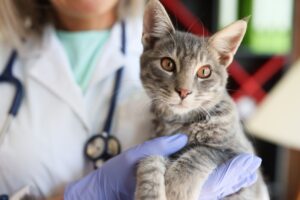
International Cat Day: Exploring VetStem Cell Therapy for Cats
Tomorrow is International Cat Day and, well, we can never pass up an opportunity to share information about VetStem Cell Therapy for cats.
While cats are often experts at hiding signs of illness or discomfort, many feline health conditions can significantly impact their quality of life. Research into regenerative medicine continues to explore how stem cells may help support cats with a variety of challenging conditions by helping regulate inflammation and supporting the body’s natural healing processes.
One area where VetStem Cell Therapy has shown promise is chronic kidney disease (CKD). CKD is associated with inflammation and a gradual decline in kidney function, and treatment often focuses on managing symptoms and helping maintain quality of life. Veterinarians have treated hundreds of feline patients with CKD using VetStem Cell Therapy, with many reporting favorable outcomes. Additionally, clinical studies have explored the use of stem cells in cats with CKD, suggesting that stem cell therapy may help slow disease progression and support overall quality of life.
VetStem Cell Therapy has also been explored for cats with inflammatory bowel disease (IBD) and other immune-mediated conditions. In IBD, an overactive immune response causes chronic inflammation in the gastrointestinal tract, leading to symptoms such as vomiting, diarrhea, weight loss, and decreased appetite. Unlike traditional therapies that broadly suppress the immune system, stem cells work by helping modulate immune activity and encourage a more balanced inflammatory response. Veterinarians and pet owners have reported reductions in symptoms and improvements in quality of life following VetStem Cell Therapy.
Another painful inflammatory condition affecting cats is feline chronic gingivostomatitis (FCGS), a severe oral disease characterized by inflammation of the gums and oral tissues. Cats with this condition may experience significant discomfort, difficulty eating, and decreased quality of life. Because stem cells are known for their anti-inflammatory and immune-modulating effects, researchers have investigated their potential role in helping cats with FCGS. In one study, 5 out of 7 cats experienced complete remission or substantial improvement after treatment with stem cells.
And yes, cats get osteoarthritis (OA) too! While stem cells are often associated with canine arthritis treatment, our feline friends can also develop painful joint changes as they age. Cats may not limp or show obvious signs of arthritis like dogs often do. Instead, they may become less active, stop jumping to favorite spots, groom less, or show changes in behavior. While pain medications are commonly used to manage OA in dogs, long-term pain management options for cats can be more limited. Instead, VetStem Cell Therapy offers a regenerative medicine option to help support cats with OA by addressing inflammation and supporting the body’s natural repair processes.