Aug 18, 2023

Osteoarthritis in Cats: Know the Signs

In last week’s blog, we discussed kidney disease in cats and how VetStem Cell Therapy may help. This week, we want to discuss osteoarthritis (OA) in cats so that cat owners know what to watch out for. That’s right, cats get OA too! In fact, a high percentage of cats will get or already have osteoarthritis. According to one study, 91% of cats between 6 months and 20 years old have OA in at least one joint, as proven by X-rays.

National Take your Cat to the Vet Day

But why two cat blogs in a row, you ask? Well August 22nd is National Take your Cat the Vet Day. This day is meant to bring awareness to the fact that the statistics for feline veterinary care are disparagingly low compared to dogs. According to one recent academic survey, only 20% of cat owners said they took their cat to the vet more than once a year, compared to 35% of dog owners. Additionally, 7% of cat owners said they never seek veterinary care, compared to 2% of dog owners. Likewise, in a targeted survey of pet owners conducted by the AVMA, only 48% of cat owners said they sought routine veterinary care for their cat, compared to 79% of dog owners.

Cats are Masters at Hiding Their Pain

There are likely several reasons for this discrepancy, one of which may be the fact that cats tend to be masters at hiding their pain. This tendency is often linked to survival instincts. In the wild, if a cat shows weakness, this may draw unwanted attention from a predator. But in the domestic cat whose only predator is a half empty bowl of food, this tendency to hide pain just means us owners have a hard time knowing when our cat should be taken to the vet.

Preventative Veterinary Care for Cats

Thus, National Take your Cat to the Vet Day promotes the idea of once-to-twice yearly preventative veterinary exams. These types of routine check-ups are important to maintain a cat’s health. Even if nothing appears to be wrong with your cat, routine examinations by your veterinarian may uncover some ailment that your cat has been hiding. In the same way, routine bloodwork can help your veterinarian monitor for diseases such as kidney failure.

Symptoms of Osteoarthritis in Cats

But back to OA in cats. For years, osteoarthritis in cats has been underdiagnosed when compared to dogs. One reason for this is that cats with OA present with different symptoms than what we see in dogs. Because of their smaller size and natural agility, cats tend to tolerate bone and joint problems better than dogs. But there are specific symptoms to watch out for.

According to the FDA, “Clinical signs of osteoarthritis in cats include weight loss, loss of appetite, depression, change in general attitude, poor grooming habits, urination or defecation outside the litter pan, and inability to jump on and off objects.” Unlike dogs, cats do not commonly present with lameness or limping. Instead, they will be less willing to jump and/or have shorter jumps.

Treatment for Osteoarthritis in Cats

Unfortunately, there are fewer treatment options for cats with OA compared to dogs. Unlike dogs, cats do not tolerate nonsteroidal anti-inflammatory drugs (NSAIDs) or other pain medications very well. While there are some NSAIDs approved for short-term post-operative use in cats, there are currently no veterinary NSAIDs approved for safe, long-term use to control osteoarthritis pain in cats. There are some non-drug options including weight loss for overweight cats, increased exercise, as well as environmental accommodations such as elevated food bowls and more easily accessible litter boxes. But these are not the only non-drug treatment options available.

VetStem Cell Therapy for Osteoarthritis in Cats

VetStem Cell Therapy is a non-drug treatment option for osteoarthritis in cats, dogs, and horses. It can be particularly beneficial for cats, given that effective treatment options to control osteoarthritis pain are extremely limited. Stem cells have shown the ability to directly modulate pain and down-regulate inflammation. Additionally, stem cells can induce repair and stimulate regeneration of cartilage and other joint tissues. The beauty of VetStem Cell Therapy is that we are harnessing your pet’s own healing power, so it can be considered a natural and holistic approach to managing the symptoms of osteoarthritis.

If you are interested in having your pet treated with VetStem Cell Therapy, speak to your veterinarian or contact us to receive a list of VetStem providers in your area.


Share
Aug 11, 2023

VetStem Cell Therapy for Feline Kidney Disease

VetStem Cell Therapy, while commonly used to treat orthopedic conditions in dogs and horses, has also been successfully used to treat a number of other diseases. One such disease is kidney disease in cats. Nearly 250 cats have received VetStem Cell Therapy for kidney disease.

Kidney disease is one of the most common causes of sickness and death in cats. Common symptoms can include weight loss, lethargy, variable appetite, and poor coat quality. Some cats may also drink and urinate more, vomit, or have diarrhea.

Unfortunately, treatment options for cats with kidney disease are limited and can be costly. The good news is, based upon our own data as well as the data of others, we believe that stem cells may help improve the symptoms and quality of life in some cats with kidney disease. In fact, a review of a small number of feline patients treated with VetStem Cell Therapy showed that blood kidney values were slightly to moderately improved after treatment.

Anecdotal data from pet owners and veterinarians suggests that treatment with VetStem Cell Therapy helps to improve symptoms associated with kidney disease. Owners have reported improved appetites, weight gain, and increased energy. That being said, more data is necessary regarding the use of VetStem Cell Therapy for cats with kidney disease. Thus, we continue to research the use of stem cells for this condition under one of VetStem’s clinical research programs.

If you think your cat may benefit from treatment with VetStem Cell Therapy, speak to your veterinarian or contact us to receive a list of qualified VetStem providers near you.

Share
Aug 4, 2023

Assistance Dog Day: Max’s VetStem Cell Therapy Success Story

August 4th is Assistance Dog Day and next week is International Assistance Dog Week. This is a time to recognize and honor the hard work and selfless love that assistance dogs provide day in and day out. As you probably know, assistance dogs are specially trained to perform specific tasks for people with disabilities. These disabilities can be physical, sensory, psychiatric, intellectual, or mental. There are many types of assistance dogs including guide dogs for the blind, medical and hearing alert dogs, mobility assistance dogs, and more. In this week’s blog, we are going to share a special story about a psychiatric service dog named Max.

Max

Max has been a trained companion for U.S. Army Staff Sergeant Edward Johnson since 2014. Sgt. Johnson, a purple heart recipient, was shot in the head during combat in Iraq in 2006 and was left with a traumatic brain injury. Max helps Sgt. Johnson cope with PTSD and other debilitating ailments related to his injuries.

Unfortunately, Max tore his cruciate ligament in his knee. As a common injury in large breed dogs, cruciate ligament tear is one of the biggest reasons for hind limb lameness, pain, and subsequent knee arthritis in dogs. Additionally, according to the American College of Veterinary Surgeons, 40-60% of dogs who injure one cruciate ligament will go on to injure the other cruciate ligament in the future.

Max was obviously in pain and in need of surgery and other medical procedures. Fortunately, his story made the news and through donations and good will, Max was able to have surgery and treatment with VetStem Cell Therapy. His surgeon, Dr. Jeff Christiansen of Superior Veterinary Surgical Solutions, donated his services and organized donations from several others as well. As an experienced VetStem provider, Dr. Christiansen recommended stem cell and platelet therapy in conjunction with the surgery to aid Max’s healing. VetStem provided a free platelet therapy kit as well as discounted stem cell processing services.

According to Dr. Christiansen, Max recovered completely. But as is common, Max suffered a second cruciate ligament rupture in his other leg just over two years after his first surgery. Once again, Dr. Christiansen and several companies, including VetStem, stepped up to provide this dog with top-notch care. Max received surgery on his other knee in addition to stem cells and platelet therapy. Max once again recovered well and hasn’t required a repeat stem cell treatment since.

Share
Jul 28, 2023

Platelet-Rich Plasma Use in Veterinary Medicine

While we primarily focus on stem cells, another exciting tool in the regenerative medicine bucket is platelet-rich plasma (PRP). PRP is defined as concentrated platelets in plasma. But what does PRP do and what can it be used to treat?

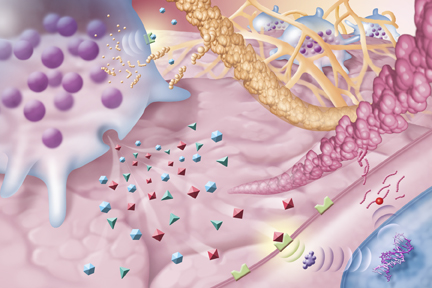
Platelets release chemical messengers to call stem cells and other healing cells to orchestrate repair.

The Healing Properties of Platelets

To understand how PRP works, we first need to understand what platelets do in the body. Platelets are very small cells found in the blood stream of mammals and are best known for their ability to clot the blood. However, there is much more that these tiny but powerful cells can do. A complex signaling system sent out from damaged cells attracts platelets to an injury and tells them to release several healing molecules that they have stored inside of them. In turn, these healing molecules attract a multitude of additional healing cells (including stem cells) to the site of injury or inflammation. Together, these cells have been shown to reduce pain, remove the damaged cells, build new blood vessels, prevent further tissue damage, and generate new healthy cells in place of the injured ones.

What can PRP be Used to Treat?

In veterinary medicine, PRP is most often used for orthopedic problems such as cruciate ligament tears, osteoarthritis, and tendon injuries in dogs, cats, and horses. However, recent research has shown that PRP can also aid in the healing of skin wounds, corneal (eye) ulcers, surgical incision sites, tooth sockets following extraction, and even muscle tears. Platelet therapy can also be used in conjunction with VetStem Cell Therapy to maximize the effect of both treatments.

PRP Kits: How they Work and the Associated Disadvantages

Historically, PRP has been produced using the patient’s blood. The blood is run through a mechanical device, or kit, each of which requires a unique processing method. The end result is concentrated platelets in plasma (PRP), however the exact concentration of platelets in the final product is not usually known.

This is perhaps the biggest disadvantage when using kits to produce PRP. There are several variables that can affect the final platelet concentration such as the current health of the patient, platelet count of the patient, operator handling of the sample, and the effectiveness of the kit used to produce the PRP. In a recent comparison of four PRP kits for the production of equine PRP, these kits demonstrated a lack of uniformity relating to the final platelet count and platelet concentration, and each kit failed to meet their respective platelet concentration claim.

Consistency is Key: PrecisePRP

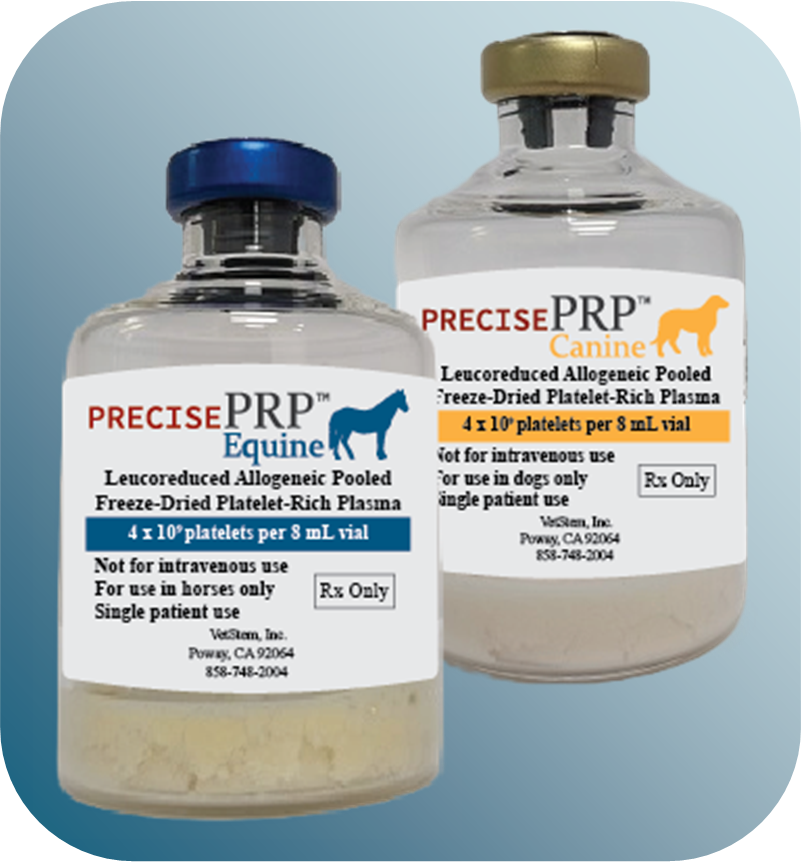
Fortunately, VetStem found a way to significantly reduce these disadvantages. PrecisePRP™ is a freeze-dried, donor-derived platelet-rich plasma; truly an off-the-shelf PRP. Each vial of PrecisePRP™ is uniform in platelet characteristics and concentration. This eliminates the variability mentioned above so that veterinarians know exactly what they’re injecting every single time, which can increase positive treatment outcomes. Additionally, PrecisePRP™ is not a kit and does not require processing, making it an easy and convenient alternative to currently available PRP kits.

We took the development of this product very seriously to ensure a positive safety profile. All donors are screened according to the FDA CVM guidance 254. Each batch is sterility, endotoxin, and quality tested to meet precise product release specifications. In controlled safety studies of dogs and horses, there were no notable adverse events related to treatment with PrecisePRP™. This unique product is currently available in both dog and horse formats.


Pretty exciting stuff! Want to learn more? Visit www.vetstem.com/pprp.php for more information.

Share
Jul 21, 2023

VetStem Helps 100-Pound Dog with Arthritis and Knee Injury

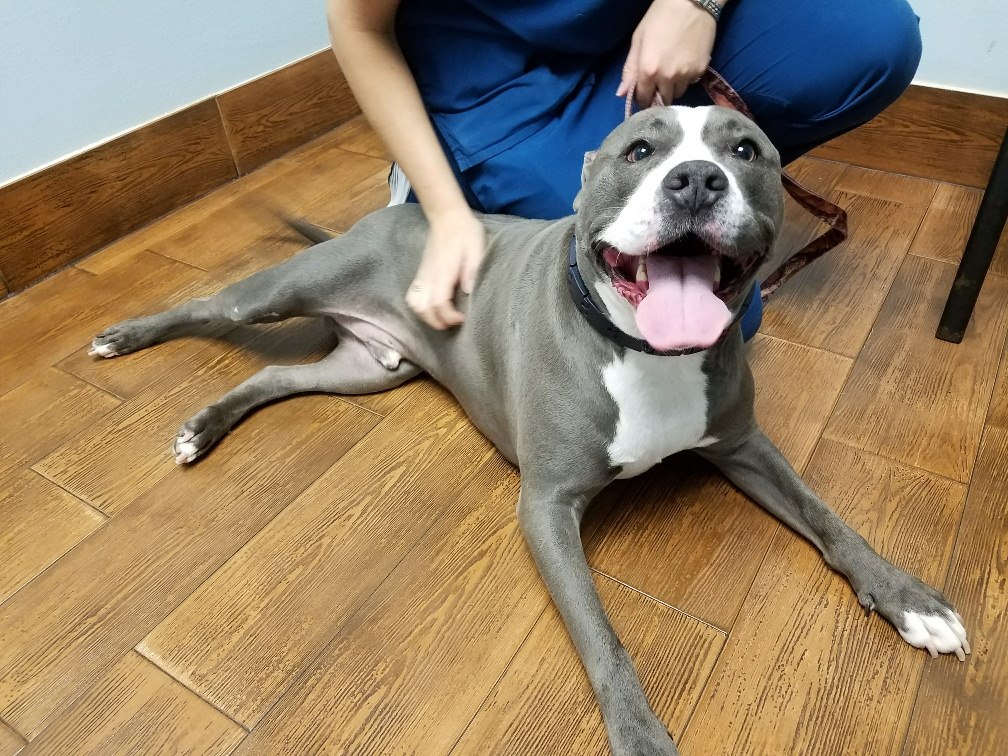
A sad story that we hear a lot is when a ball-loving dog is no longer able to play fetch due to arthritis or some other orthopedic injury. That was the case for Sherlock, a nearly 100-pound Staffordshire terrier/rottweiler mix. Though Sherlock loved to chase his ball, as he got older, his body started slowing down and he was diagnosed with arthritis in all four limbs. In an effort to not take away his favorite activity, his owners continued to play ball with a little less intensity. And then he tore his cruciate ligament in his right knee.

Fortunately for Sherlock, his veterinarian recommended using VetStem Cell Therapy in conjunction with surgery. Stem cells have the ability to reduce pain, inflammation, and minimize the formation of scar tissue. In addition to his injured knee, Sherlock’s veterinarian treated both of his elbows and his non-injured knee to give him some relief from the arthritis in those joints.

Sherlock

Sherlock’s owner reported that he responded well to his initial stem cell treatment but that shortly after, he injured the cruciate ligament in his left knee. Unfortunately, this is more common than you may think. According to the American College of Veterinary Surgeons, 40-60% of dogs who injure one cruciate ligament will go on to injure the other cruciate ligament in the future. This time, Sherlock’s veterinarian was able to request doses from his stored stem cells, which she administered during the surgery on his left knee. Sherlock once again received an injection of his own stem cells into each knee and each elbow.

After treatment, his owner said that his recovery went from six weeks to three-and-a-half weeks. She stated, “He healed so quickly that it surprised everyone. He was 12 years old by this time and a full recovery seemed almost too hopeful to wish for, but instead we not only got a full recovery but a faster recovery than before.” She went on to state, “Sherlock is now 13 years old and we do not run and chase balls anymore, but we enjoy walks on the beach and lots of snuggles and I am so grateful that he is still here feeling good and enjoying life with me. Stem cell therapy made an immense difference in his ability to live a high quality life in his older years.”

Does your dog suffer from osteoarthritis or have they injured their cruciate ligament? If so, VetStem Cell Therapy may help. Speak to your veterinarian or contact us to receive a list of VetStem providers near you.

Share
Jul 14, 2023

VetStem CEO Featured on Fuzzybutts and Friends Podcast

Posted by Bob under Stem Cells, VetStem Cell Therapy

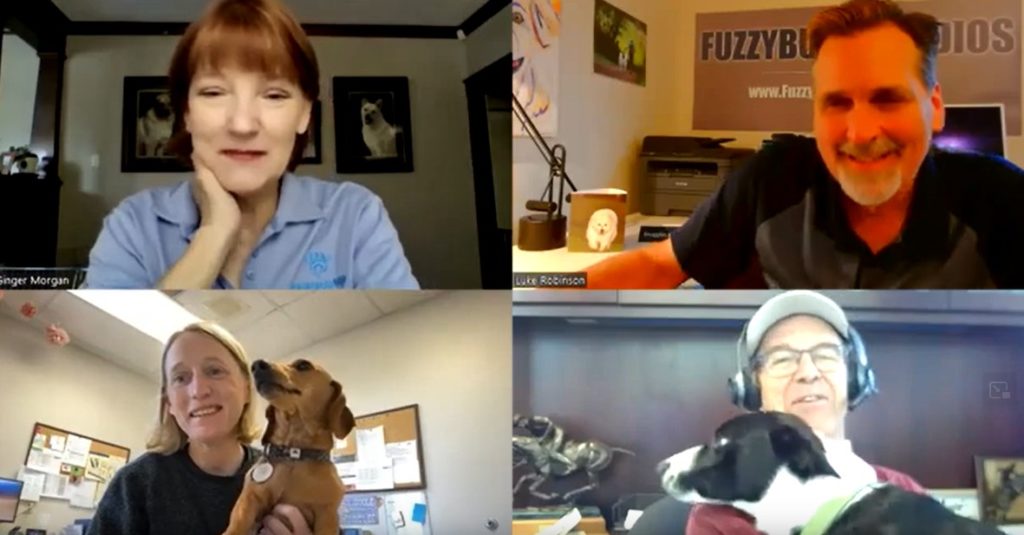
VetStem founder and CEO, Dr. Bob Harman, recently joined Fuzzybutts and Friends on a podcast to discuss VetStem Cell Therapy and the science of stem cells. Joining him is Dr. Angie Zinkus, veterinarian and VetStem enthusiast at Germantown Parkway Animal Hospital. This podcast really gets down to the nitty gritty about stem cells and the various diseases that have been treated with VetStem Cell Therapy. Some of the big questions that are addressed are:

What are stem cells? Where do they come from? What are the mechanisms of action/how do they work? What CAN’T be treated with stem cells? And more!! You don’t want to miss this one!

Click the image below to check out the podcast:

Share
Jul 7, 2023

What Are Stem Cells and Where Do They Come From?

Posted by Bob under Stem Cells

All of us have heard the term “stem cells” and most of us have some basic understanding of what that means. Stem cells are often referred to as the building blocks of life. Thus, when it comes to stem cells, many people think of embryonic stem cells. But when we talk about VetStem Cell Therapy, we’re actually talking about adult stem cells.

Adult Stem Cells vs. Embryonic Stem Cells

There are several differences between embryonic and adult stem cells. Embryonic stem cells serve one purpose: to form whole organs and organisms. They are truly the “building blocks of life.” Embryonic stem cells exist only at the earliest stages of development, and they are pluripotent, meaning they can differentiate into any cell type.

Adult stem cells on the other hand include multiple types of stem cells that are present in almost all tissues of the adult body. They can be multipotent or unipotent, meaning they can only differentiate into one type of cell. Mesenchymal stem cells (MSCs) are multipotent adult stem cells that have demonstrated the ability to differentiate into multiple cell types including tendon, ligament, bone, cartilage, cardiac, nerve, muscle, blood vessels, fat, and liver tissue.

Adult Stem Cells Mechanisms of Action

Adult stem cells are utilized by the body to replenish dying cells and to repair damaged tissues. This discovery led to multiple studies to help determine the full therapeutic benefits of adult stem cells. VetStem uses adult MSCs in an effort to repair damaged tissues in animals with various injuries and diseases. But this is not the only mechanism of action that stem cells utilize in the healing process. Stem cells have also been shown to down-regulate inflammation, reduce pain, and modulate the immune system. All of these mechanisms, and more that we’re still learning about, make stem cell therapy a multimodal approach to healing.

Ideal Source of Adult Stem Cells

When used for VetStem Cell Therapy, adult MSCs are extracted from fat tissue, one of the richest sources of MSCs in the body. Fat tissue is also relatively easy to collect during a simple anesthetic procedure similar to a spay. Most animals recover quickly and uneventfully from the procedure, compared to more painful and invasive stem cell collection techniques. Additionally, fat is generally abundant in the body, even in skinny animals, making it an ideal source of stem cells.

If you think your pet may benefit from VetStem Cell Therapy, contact us to receive a list of providers in your area.  
Share
Jun 23, 2023

Take Your Dog to Work Day at VetStem

Posted by Bob under Pets, VetStem

Today is Take Your Dog to Work Day and VetStem is no stranger to having our furry, four-legged companions in the office! On any given day, there may be a handful of dogs lounging around the office, offering tail wags, and eagerly requesting ear scratches from passers-by. And we wouldn’t have it any other way!

We of course love the extra puppy snuggles, but there are additional benefits to bringing your dog to work. According to one study, there is a potential correlation between bringing your dog to work and a reduction in stress levels. Scientists found that people who took their dogs to work reported lower stress throughout the day than employees without pets or those who had pets but didn’t take them to work.

Another study found that 90 percent of employees in pet friendly workplaces feel highly connected to their company’s mission, fully engaged with their work, and willing to recommend their employer to others. Additionally, more than three times as many employees at pet friendly workplaces report a positive working relationship with their boss and co-workers and are more likely to stay with a company long term. And the benefits don’t end there! Check out more details of the study here.

We feel super fortunate to work in a pet friendly office, especially since we are in the veterinary field and are all passionate animal lovers! Here are just a few pictures of our dogs hanging around the VetStem office.

Share
Jun 16, 2023

VetStem Cell Therapy for Fragmented Coronoid Process

As you probably know, much of the VetStem blog is spent discussing the treatment of arthritis with stem cells. We talk about things like joint dysplasia and cruciate ligament tears as catalysts for the development of arthritis. In today’s blog, we are discussing Fragmented Coronoid Process, or FCP, a developmental defect that causes arthritis in the elbows.

Nikolai Augustus, a Labrador retriever, was 2 years old when he began limping. X-rays revealed he had broken bone fragments in both of his elbows as a result of fragmented coronoid process, or FCP. FCP is one of the main diseases associated with elbow dysplasia. It is a developmental defect of the two small bony protrusions on the end of the ulna, known as the coronoid processes, within the elbow joint. In this condition, one of the bony protrusions develops a fissure or crack and separates from the ulna. FCP may result in instability and pain as well as decreased mobility and swelling.

The treatment of choice for FCP is surgical removal of the bone fragments and any abnormal cartilage. This procedure can be performed arthroscopically by an orthopedic surgeon, which results in a smaller incision and less damage to the supporting elbow structures. In all cases however, regardless of surgical repair, the patient will develop some degree of arthritis. That’s where VetStem comes in!

Niko

Niko’s veterinarian recommended arthroscopy in addition to treatment with VetStem Cell Therapy. Stem cells are regenerative cells that can differentiate into many tissue types and have demonstrated the ability to reduce pain and inflammation, help to restore range of motion, and stimulate regeneration of tendon, ligament, and joint tissues. By using VetStem Cell Therapy in conjunction with surgery, Niko’s vet hoped to delay the progression and reduce the severity of degenerative joint disease in his elbows.

To begin the process, Niko’s vet collected fat tissue from his abdomen in a minimally invasive anesthetic procedure. The fat was aseptically packaged and shipped to the VetStem processing laboratory in Poway, California. Lab technicians processed the fat to extract and concentrate the stem and regenerative cells contained therein. The cells were divided into doses, and two injectable doses were shipped to Niko’s vet for treatment. Approximately 48 hours after the initial fat collection procedure, Niko received one dose of his own stem cells into each elbow.

According to Niko’s owner, he had a great response to the treatment. His owner stated, “One year after surgery and stem cell therapy and Niko is running and playing with the energy of a 3-year-old. We are thankful our vet recommended stem cell therapy for Niko and that he has the bank of stem cells to help treat Niko in the future.”

In addition to the two stem cell doses that were shipped for immediate treatment, several doses of Niko’s stem cells were put into cryopreservation. This is particularly valuable for a patient like Niko who will never have perfect, arthritis-free elbows. In fact, approximately 15 months after his initial treatment, Niko received a follow up treatment identical to his first using some of his banked stem cell doses. Niko’s additional cells will remain in cryopreservation and can be accessed for treatment as needed for the remainder of his life.

If you think your pet may benefit from treatment with VetStem Cell Therapy, contact us to receive a list of providers in your area.
Share
Jun 9, 2023

VetStem Pet Appreciation Week!

Posted by Bob under Pets, VetStem

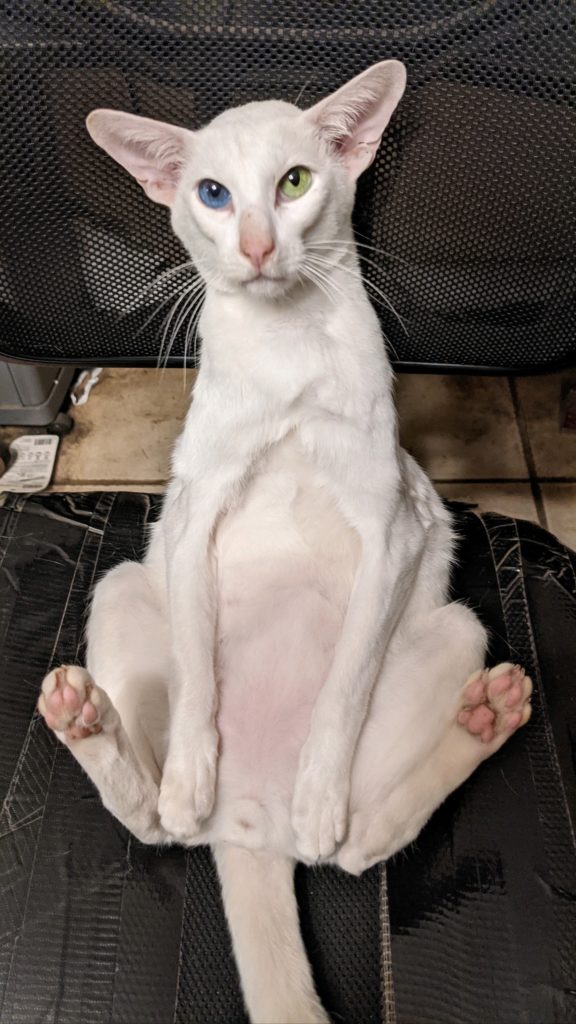
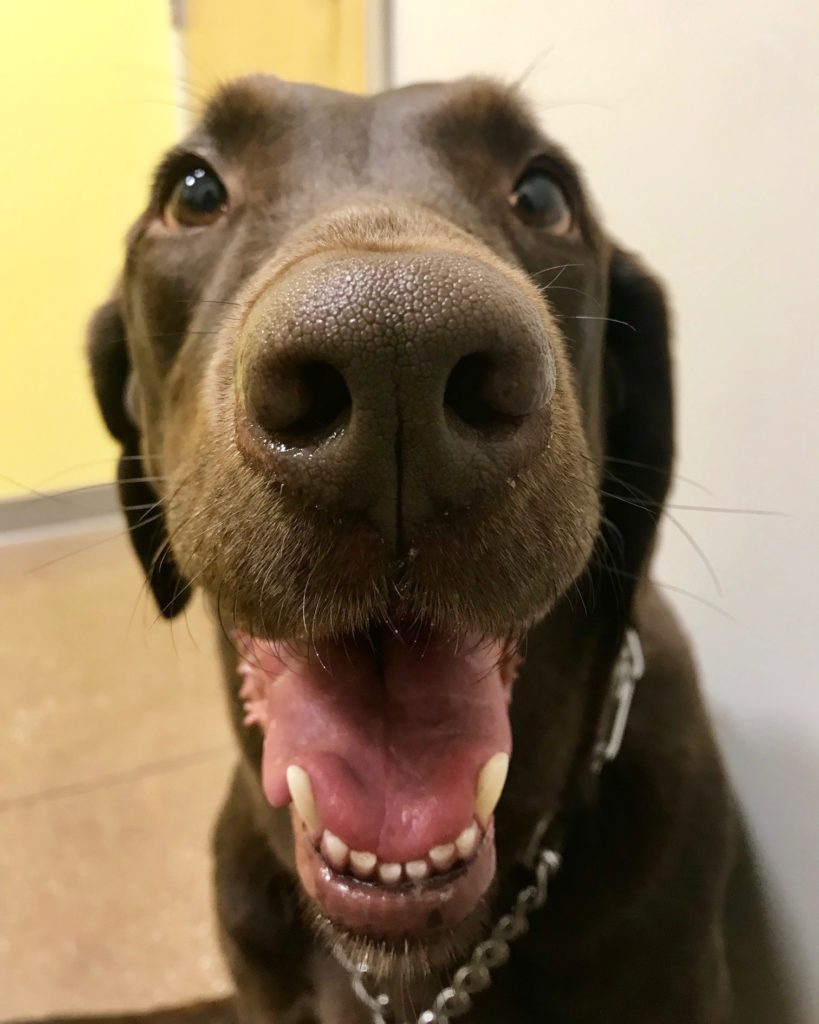
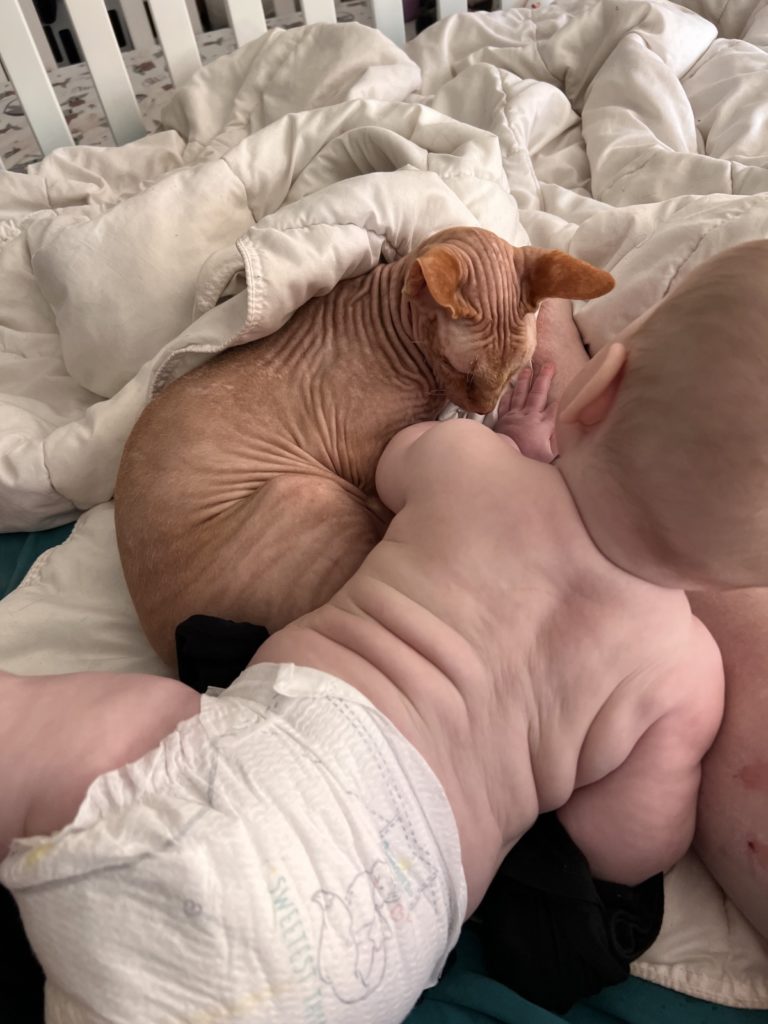
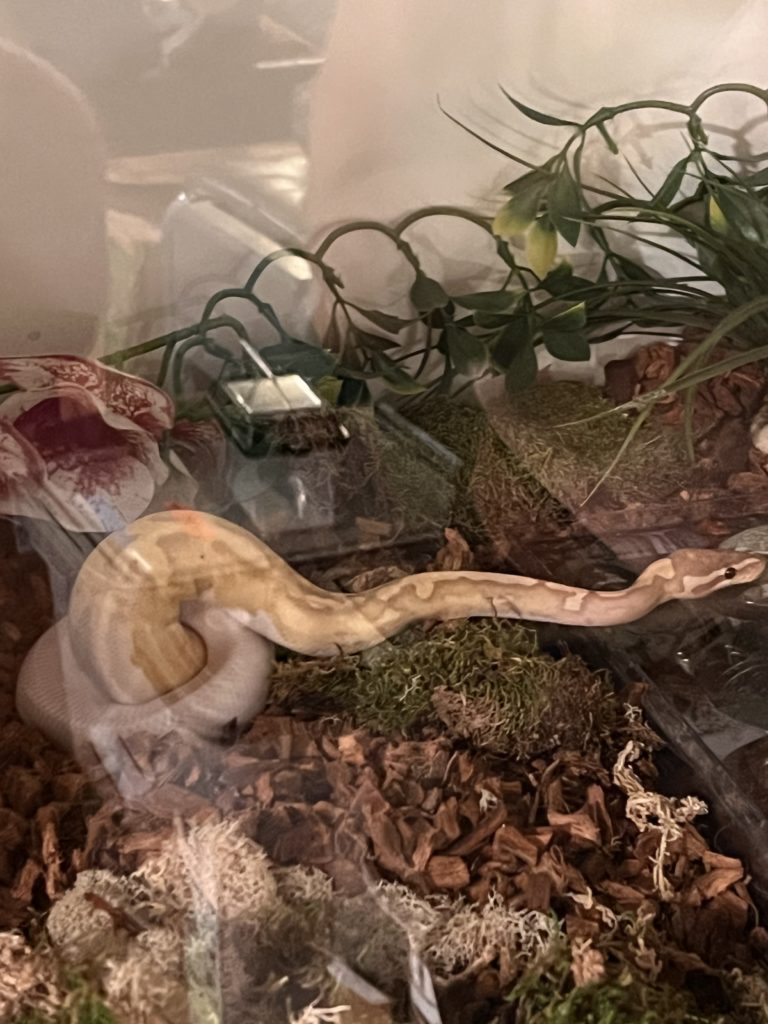
As Pet Appreciation Week wraps up, we just wanted to share appreciation for some of the VetStem pack! These critters bring us so much joy and so many laughs!

Thank you Mick for being a great hiking/camping buddy!

Thank you Scarf for the constant laughs.

Thank you Willow for being so loyal.

Thank you Streaker for the best cuddles.

Thank you Darby for providing constant entertainment!

Thank you Ali’i for the best snuggles.

Thank you Wesley for constantly making us laugh.

Thank you Udon for being a yes noodle instead of a nope rope!

Share