Happy National Dachshund Day! In this week’s VetStem blog, we’re sharing the stem cell success story about a Doxie named Floppy who was suffering from severe arthritis in his hips and knees. In a video his owner shared with us, Floppy showed extreme difficulty getting up from a down position and moved very slowly. His owner also stated that he limped and was very stiff.
Floppy was 8 years old when his veterinarian recommended treatment with VetStem Cell Therapy. To begin the process, his vet extracted fat from his abdomen during a minimally invasive anesthetic procedure. The fat was shipped to the VetStem laboratory where lab technicians extracted and concentrated Floppy’s stem and regenerative cells. Five stem cell injections were prepared and shipped to Floppy’s veterinarian for treatment. He received one injection into each hip, each knee, and an intravenous injection.
Floppy’s results were really remarkable. His owner stated, “We are extremely pleased with the results. The level of pain/stiffness decreased dramatically. It’s almost like he’s a puppy again! There is a night and day difference in his ability to move and perform everyday tasks.” His owner also sent a video of Floppy after the treatment with VetStem Cell Therapy and well…you just have to see it to believe it. Check out a short video detailing Floppy’s story here: https://www.youtube.com/watch?v=sJRUBYyDtqw
If you have a dog who suffers from arthritis, VetStem Cell Therapy may help. Speak to your veterinarian or contact us to receive a list of VetStem providers near you.
Today is German Shepherd day so we thought we’d share a special VetStem success story about a bomb sniffing German Shepherd named Jax. Like many large dog breeds, German Shepherds are predisposed to hip dysplasia and arthritis. And unfortunately, Jax was diagnosed with the condition at a young age.
Hip dysplasia is a deformity in the ball and socket joint of the hip that eventually leads to osteoarthritis. It is a painful condition that can greatly reduce a dog’s quality of life. And of course, it affected Jax’s ability to perform on the job.
Jax’s veterinarian, Dr. Jeff Christiansen of Superior Veterinary Surgical Solutions, recommended treatment with VetStem Cell Therapy. Dr. Christiansen has been utilizing VetStem Cell Therapy for over a decade and has previously provided stem cells for working police dogs. To begin the process, fat was collected from Jax’s abdomen in a minimally invasive anesthetic procedure. The fat was processed at the VetStem processing laboratory to extract and concentrate the cells contained therein. Three injectable doses of Jax’s own stem cells were shipped to Dr. Christiansen for treatment. Jax received one injection into each hip and one intravenous dose.
According to his owner and handler, Jax responded well to the treatment. He stated, “Jax is a year and a half and, well, to say he’s a fantastic pup is an understatement. His limping is gone and he’s a typical GSD.” Jax has been maintained on a yearly intravenous injection of his stored stem cells for the past couple of years. Last we heard, Jax is rocking the bomb work! Way to go, Jax!
Last Friday was National Welsh Corgi Day and today is International Akita Day! We of course have to pay tribute by sharing a VetStem success story about an Akita named Yoshio!
Yoshio faced significant challenges due to bilateral hock dysplasia and osteoarthritis in his joints. By the age of 9.5, he struggled to perform basic activities, like jumping on the bed, and could not stand comfortably. His condition caused discomfort and limited his mobility, leading to lower back spasms and difficulty walking. Determined to alleviate Yoshio’s suffering, his owner followed an extensive physical therapy regimen, including underwater treadmill exercises and cold laser therapy. Despite these efforts and weight loss to ease joint stress, Yoshio found only minimal relief after four months.
In pursuit of a more effective solution, Yoshio’s owner turned to VetStem Cell Therapy. Under the care of veterinary surgeon and longtime VetStem user, Dr. Kim Carlson, Yoshio underwent a minimally invasive procedure to collect fat tissue from his abdomen. The fat was processed at the VetStem lab to extract Yoshio’s stem and regenerative cells. Within 48 hours of the initial fat collection, Yoshio received stem cell injections into both hocks and his right carpus, along with an IV injection.
Yoshio’s owner noticed a significant improvement in his condition within just one week of the procedure. With renewed strength and mobility, Yoshio could run, jump onto beds, and stand comfortably following treatment with stem cells.
Yoshio
Arthritis is one of the most common ailments that affects dogs today. While all dogs can develop arthritis, large breed dogs like Akitas are at a higher risk due to the increased wear and tear on their joints. If you think your dog may benefit from treatment with VetStem Cell Therapy, speak to your veterinarian or contact us to receive a list of providers near you.
Today is National Welsh Corgi Day! As a tribute to Corgis everywhere, we wanted to share a special VetStem success story about an agility Corgi named Kirby.
Kirby is a fun-loving Pembroke Welsh Corgi who began competing in agility at just one and a half years old. His path, however, was not without hurdles. At around four years old, Kirby began to experience intermittent lameness in his hips and left knee, threatening to derail his agility career. His veterinarian employed a range of treatments, from cold laser therapy to underwater treadmill sessions and nonsteroidal anti-inflammatory drugs. While these interventions offered temporary relief, Kirby’s lameness persisted, prompting his mom to explore alternative solutions.
Determined to find a lasting solution, Kirby’s mom elected to have him treated with VetStem Cell Therapy. To begin the process, Kirby underwent a minimally invasive procedure to harvest fat tissue from his abdomen. Kirby’s fat was processed at the VetStem laboratory to extract and concentrate his stem and regenerative cells. Five injectable stem cell doses were shipped to his veterinarian and approximately 48 hours after the initial fat collection procedure, Kirby received injections of his own stem cells into his hips and knees, as well as an intravenous injection.
The results were remarkable. Within a mere two months, Kirby showed significant improvement, and was able to return to agility competition with an 80% qualifying rate. He was also able to enjoy long hikes with his mom each week. His owner stated, “I’m so grateful to VetStem for their help and that they have his cells in storage so we can give him more injections in the future if needed!!”
Kirby
Like Kirby, many dogs suffer from pain associated with osteoarthritis, which can greatly affect their quality of life. According to surveys answered by owners and veterinarians, greater than 80% of dogs showed an improved quality of life after receiving VetStem Cell Therapy for orthopedic conditions. Do you think your dog may benefit from treatment with stem cells? Speak to your veterinarian or contact us to receive a list of providers near you.
August 4th is Assistance Dog Day and next week is International Assistance Dog Week. This is a time to recognize and honor the hard work and selfless love that assistance dogs provide day in and day out. As you probably know, assistance dogs are specially trained to perform specific tasks for people with disabilities. These disabilities can be physical, sensory, psychiatric, intellectual, or mental. There are many types of assistance dogs including guide dogs for the blind, medical and hearing alert dogs, mobility assistance dogs, and more. In this week’s blog, we are going to share a special story about a psychiatric service dog named Max.
Max
Max has been a trained companion for U.S. Army Staff Sergeant Edward Johnson since 2014. Sgt. Johnson, a purple heart recipient, was shot in the head during combat in Iraq in 2006 and was left with a traumatic brain injury. Max helps Sgt. Johnson cope with PTSD and other debilitating ailments related to his injuries.
Unfortunately, Max tore his cruciate ligament in his knee. As a common injury in large breed dogs, cruciate ligament tear is one of the biggest reasons for hind limb lameness, pain, and subsequent knee arthritis in dogs. Additionally, according to the American College of Veterinary Surgeons, 40-60% of dogs who injure one cruciate ligament will go on to injure the other cruciate ligament in the future.
Max was obviously in pain and in need of surgery and other medical procedures. Fortunately, his story made the news and through donations and good will, Max was able to have surgery and treatment with VetStem Cell Therapy. His surgeon, Dr. Jeff Christiansen of Superior Veterinary Surgical Solutions, donated his services and organized donations from several others as well. As an experienced VetStem provider, Dr. Christiansen recommended stem cell and platelet therapy in conjunction with the surgery to aid Max’s healing. VetStem provided a free platelet therapy kit as well as discounted stem cell processing services.
According to Dr. Christiansen, Max recovered completely. But as is common, Max suffered a second cruciate ligament rupture in his other leg just over two years after his first surgery. Once again, Dr. Christiansen and several companies, including VetStem, stepped up to provide this dog with top-notch care. Max received surgery on his other knee in addition to stem cells and platelet therapy. Max once again recovered well and hasn’t required a repeat stem cell treatment since.
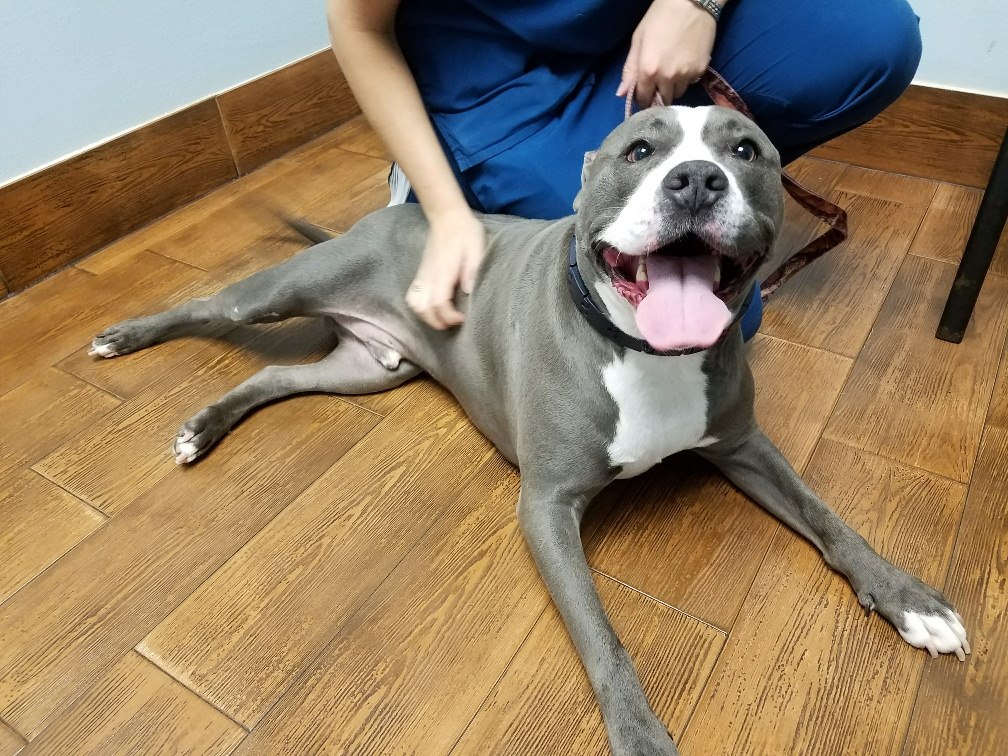
A sad story that we hear a lot is when a ball-loving dog is no longer able to play fetch due to arthritis or some other orthopedic injury. That was the case for Sherlock, a nearly 100-pound Staffordshire terrier/rottweiler mix. Though Sherlock loved to chase his ball, as he got older, his body started slowing down and he was diagnosed with arthritis in all four limbs. In an effort to not take away his favorite activity, his owners continued to play ball with a little less intensity. And then he tore his cruciate ligament in his right knee.
Fortunately for Sherlock, his veterinarian recommended using VetStem Cell Therapy in conjunction with surgery. Stem cells have the ability to reduce pain, inflammation, and minimize the formation of scar tissue. In addition to his injured knee, Sherlock’s veterinarian treated both of his elbows and his non-injured knee to give him some relief from the arthritis in those joints.
Sherlock
Sherlock’s owner reported that he responded well to his initial stem cell treatment but that shortly after, he injured the cruciate ligament in his left knee. Unfortunately, this is more common than you may think. According to the American College of Veterinary Surgeons, 40-60% of dogs who injure one cruciate ligament will go on to injure the other cruciate ligament in the future. This time, Sherlock’s veterinarian was able to request doses from his stored stem cells, which she administered during the surgery on his left knee. Sherlock once again received an injection of his own stem cells into each knee and each elbow.
After treatment, his owner said that his recovery went from six weeks to three-and-a-half weeks. She stated, “He healed so quickly that it surprised everyone. He was 12 years old by this time and a full recovery seemed almost too hopeful to wish for, but instead we not only got a full recovery but a faster recovery than before.” She went on to state, “Sherlock is now 13 years old and we do not run and chase balls anymore, but we enjoy walks on the beach and lots of snuggles and I am so grateful that he is still here feeling good and enjoying life with me. Stem cell therapy made an immense difference in his ability to live a high quality life in his older years.”
Does your dog suffer from osteoarthritis or have they injured their cruciate ligament? If so, VetStem Cell Therapy may help. Speak to your veterinarian or contact us to receive a list of VetStem providers near you.
As you probably know, much of the VetStem blog is spent discussing the treatment of arthritis with stem cells. We talk about things like joint dysplasia and cruciate ligament tears as catalysts for the development of arthritis. In today’s blog, we are discussing Fragmented Coronoid Process, or FCP, a developmental defect that causes arthritis in the elbows.
Nikolai Augustus, a Labrador retriever, was 2 years old when he began limping. X-rays revealed he had broken bone fragments in both of his elbows as a result of fragmented coronoid process, or FCP. FCP is one of the main diseases associated with elbow dysplasia. It is a developmental defect of the two small bony protrusions on the end of the ulna, known as the coronoid processes, within the elbow joint. In this condition, one of the bony protrusions develops a fissure or crack and separates from the ulna. FCP may result in instability and pain as well as decreased mobility and swelling.
The treatment of choice for FCP is surgical removal of the bone fragments and any abnormal cartilage. This procedure can be performed arthroscopically by an orthopedic surgeon, which results in a smaller incision and less damage to the supporting elbow structures. In all cases however, regardless of surgical repair, the patient will develop some degree of arthritis. That’s where VetStem comes in!
Niko
Niko’s veterinarian recommended arthroscopy in addition to treatment with VetStem Cell Therapy. Stem cells are regenerative cells that can differentiate into many tissue types and have demonstrated the ability to reduce pain and inflammation, help to restore range of motion, and stimulate regeneration of tendon, ligament, and joint tissues. By using VetStem Cell Therapy in conjunction with surgery, Niko’s vet hoped to delay the progression and reduce the severity of degenerative joint disease in his elbows.
To begin the process, Niko’s vet collected fat tissue from his abdomen in a minimally invasive anesthetic procedure. The fat was aseptically packaged and shipped to the VetStem processing laboratory in Poway, California. Lab technicians processed the fat to extract and concentrate the stem and regenerative cells contained therein. The cells were divided into doses, and two injectable doses were shipped to Niko’s vet for treatment. Approximately 48 hours after the initial fat collection procedure, Niko received one dose of his own stem cells into each elbow.
According to Niko’s owner, he had a great response to the treatment. His owner stated, “One year after surgery and stem cell therapy and Niko is running and playing with the energy of a 3-year-old. We are thankful our vet recommended stem cell therapy for Niko and that he has the bank of stem cells to help treat Niko in the future.”
In addition to the two stem cell doses that were shipped for immediate treatment, several doses of Niko’s stem cells were put into cryopreservation. This is particularly valuable for a patient like Niko who will never have perfect, arthritis-free elbows. In fact, approximately 15 months after his initial treatment, Niko received a follow up treatment identical to his first using some of his banked stem cell doses. Niko’s additional cells will remain in cryopreservation and can be accessed for treatment as needed for the remainder of his life.
If you think your pet may benefit from treatment with VetStem Cell Therapy, contact us to receive a list of providers in your area.
All month long we’ve been discussing arthritis in honor of Arthritis Awareness Month. We’ve covered arthritis in cats and dogs as well as using exercise to manage your pet’s arthritis. Another tool to help reduce symptoms of arthritis and actually help to repair damaged cartilage tissue is VetStem Cell Therapy. This week, to wrap up our month of Arthritis Awareness blogs, we are sharing Gracie’s stem cell success story.
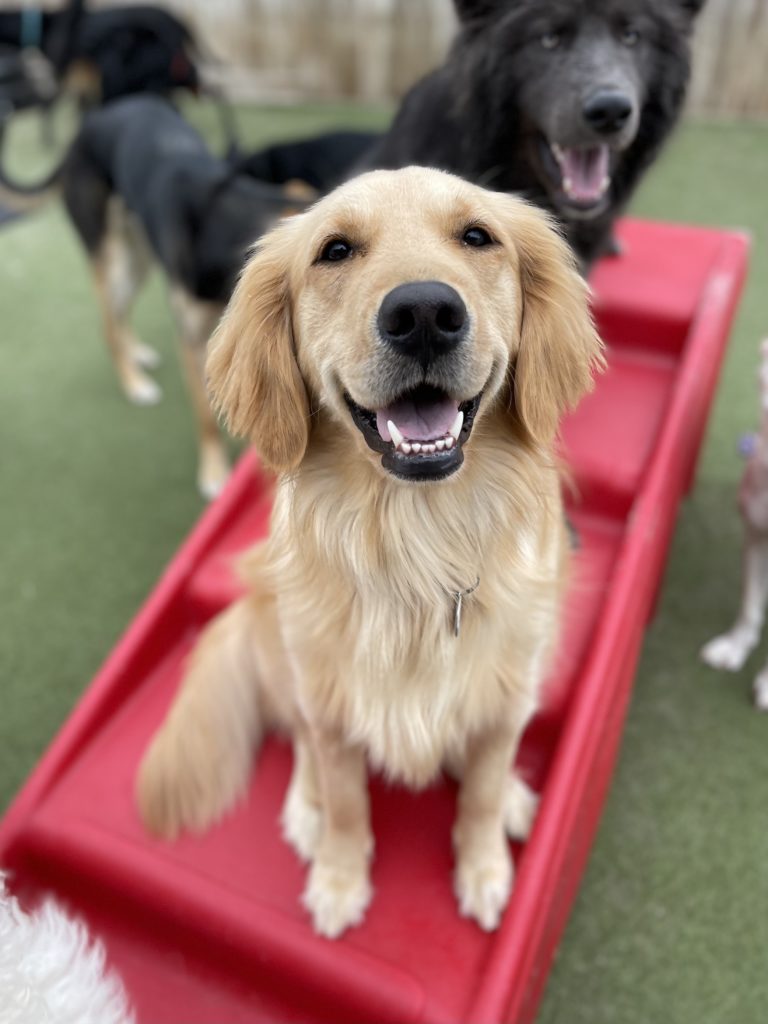
Gracie at the dog park
Gracie, a spirited Golden Retriever, was two years old when she suddenly could not stand up. Prior to this, her personality had changed as well. She went from being a rambunctious, active pup to very calm. It turns out, she was struggling with pain. Her owners immediately took her to the veterinarian where it was determined she has a bad case of bilateral hip dysplasia resulting in osteoarthritis. Hip dysplasia is a deformity of the ball and socket hip joint that occurs during growth. The deformity results in joint laxity (looseness) and eventually leads to osteoarthritis (OA). OA is a painful condition that can greatly reduce a dog’s quality of life.
Fortunately for Gracie, her veterinarian works with VetStem proponent Dr. Angie Zinkus at Germantown Parkway Animal Hospital. Dr. Zinkus has treated multiple arthritic patients with VetStem Cell Therapy and agreed Gracie was a good candidate for the procedure. In this particular case, Dr. Zinkus mentored Dr. Susannah Mays to familiarize her with the VetStem process.
First, Dr. Mays collected fat tissue from Gracie’s abdomen during a minimally invasive anesthetic procedure. The fat was aseptically packaged and shipped to the VetStem processing laboratory in Poway, California. Lab technicians processed the fat to extract and concentrate the stem and regenerative cells contained therein.
Gracie’s cells were divided into doses and a total of nine stem cell injections were shipped to her veterinarian for treatment while the rest were put into cryostorage. Approximately 48 hours after the initial fat collection procedure, Gracie received injections of her own stem cells in her hips, knees, elbows, shoulders, as well as an intravenous injection. According to Dr. Zinkus, though Gracie’s knees, elbows, and shoulders did not show signs of arthritis, she prefers to treat each joint as a preventative measure to help protect against the development of future osteoarthritis.
In addition to stem cell therapy, Gracie received platelet rich plasma (PRP) injections into her joints. PRP and stem cell therapy work synergistically. Concentrated platelets accelerate internal healing processes by attracting stem cells, supporting an anti-inflammatory environment, and stimulating local tissue repair processes.
According to Gracie’s owner, the stem cell and PRP treatment was a huge success! Her owner noted that it only took a few months before they noticed a vast improvement stating, “Gracie is back to her silly self, running as fast as she can to chase our backyard squirrels!! Thank you, VetStem and Dr. Zinkus for this wonderful solution to Gracie’s painful hips.”
Gracie’s story is just one of many that we have received from pet parents. As we discussed in a recent blog, Osteoarthritis is one of the most common diseases in dogs and pain associated with osteoarthritis can greatly reduce a dog’s quality of life. But VetStem Cell Therapy can help! According to surveys answered by owners and veterinarians, greater than 80% of dogs showed an improved quality of life after receiving VetStem Cell Therapy for osteoarthritis.
Curious if your dog may benefit from treatment with VetStem Cell Therapy? Speak to your veterinarian or contact us to receive a list of VetStem providers near you.
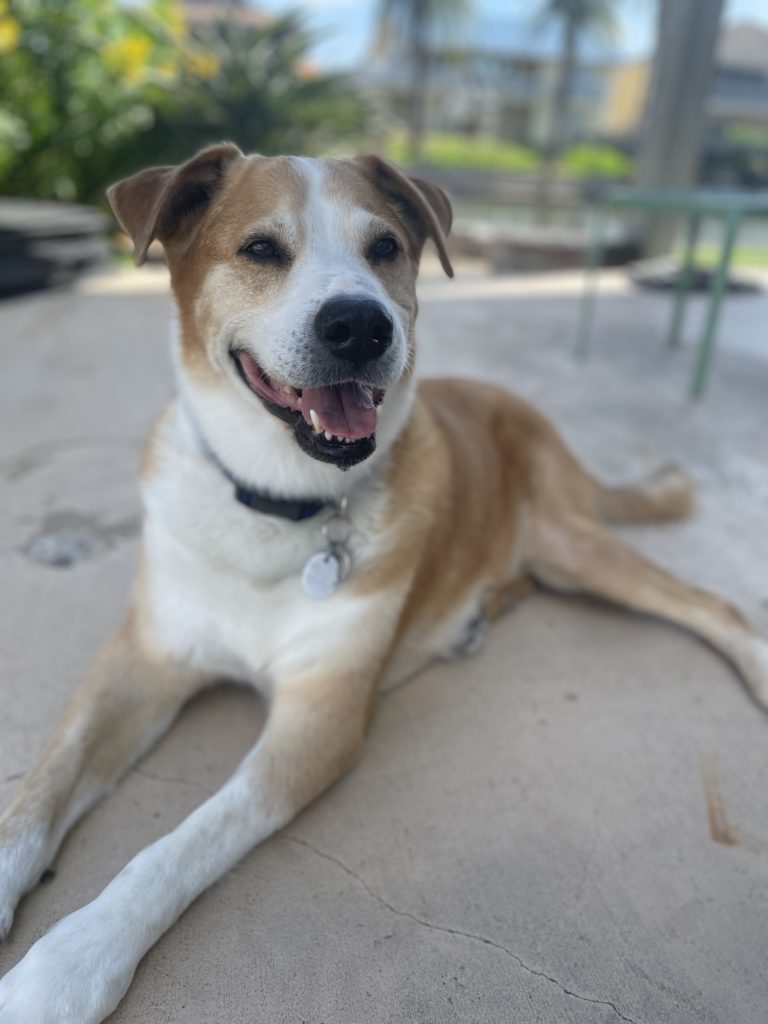
Tomorrow, March 25th, is National Newfoundland Dog Day! Newfies are a unique breed and are often as sweet and gentle as they are big! Unfortunately, like all giant breeds, Newfies are prone to orthopedic issues like osteoarthritis and cruciate ligament injuries. This was exactly the case for Ava, a 115-pound, 3-year-old Newfoundland who partially tore her cruciate ligaments in both knees.
As a mellow dog, Ava was able to recover without surgical intervention and resumed her normal activities without any noticeable pain. That being said, when Ava was approximately 6 years old, she began showing signs of pain and decreased mobility, a result of the arthritis that had developed in her knees.
Ava
Ava’s veterinarian diagnosed Ava with moderate osteoarthritis in both knees and recommended treatment with VetStem Cell Therapy. Ava’s owner agreed, stating, “I have grown up with horses and had seen success stories of using stem cells to help ligament and tendon tears…and started researching VetStem. After all, a Newfoundland is really a mini pony.”
To begin the VetStem process, Ava’s veterinarian collected fat from her abdomen in a minimally invasive anesthetic procedure. The fat was aseptically packaged and shipped to the VetStem processing laboratory in Poway, California. Lab technicians processed the fat to extract and concentrate Ava’s stem and regenerative cells. Three injectable doses of Ava’s own stem cells were shipped to her veterinarian and approximately 48 hours after the initial fat collection procedure, Ava received one injection into each knee as well as an intravenous injection. The rest of her cells were put into cryopreservation for potential future use.
Ava’s owner noted that it took about four weeks to see significant improvement in her lameness and mobility. At six weeks post stem cell therapy, Ava could get up from lying down and walk normally. She no longer did mini-skips or awkwardly adjusted her weight between her back legs. She was also able to discontinue her use of nonsteroidal anti-inflammatory drugs (NSAIDs). Nine months after treatment, Ava was examined, and her veterinarian noted that both knees felt very strong and stable compared to before the stem cell treatment.
Approximately two years later, Ava hurt her leg again while playing. Fortunately, she had banked stem cell doses from her initial treatment. This time, Ava’s veterinarian treated both of her knees and both of her elbows, where she had also developed arthritis. Like before, it took about four weeks before Ava’s owner noticed improvement in her mobility. She was able to trot and play with her sister Newfie and go on her normal thirty-minute walk. Prior to stem cell therapy, Ava’s owner stated that she could barely go on a five-minute walk.
Just over a year and a half after Ava’s second stem cell treatment, her owner contacted VetStem to say that Ava was still doing well. At nearly ten years old, Ava was still moving around well and had not had any anti-inflammatory medication since four weeks post her second treatment with stem cells. Her owner stated, “I can’t recommend stem cell therapy enough…so many people who know her were able to see the difference in her level of comfort, which only validates her story in my eyes even more. Thank you VetStem, you truly saved my bear’s life and I will always be thankful for that!” If you think your pet may benefit from VetStem Cell Therapy, speak to your veterinarian or contact us to receive a list of providers near you.
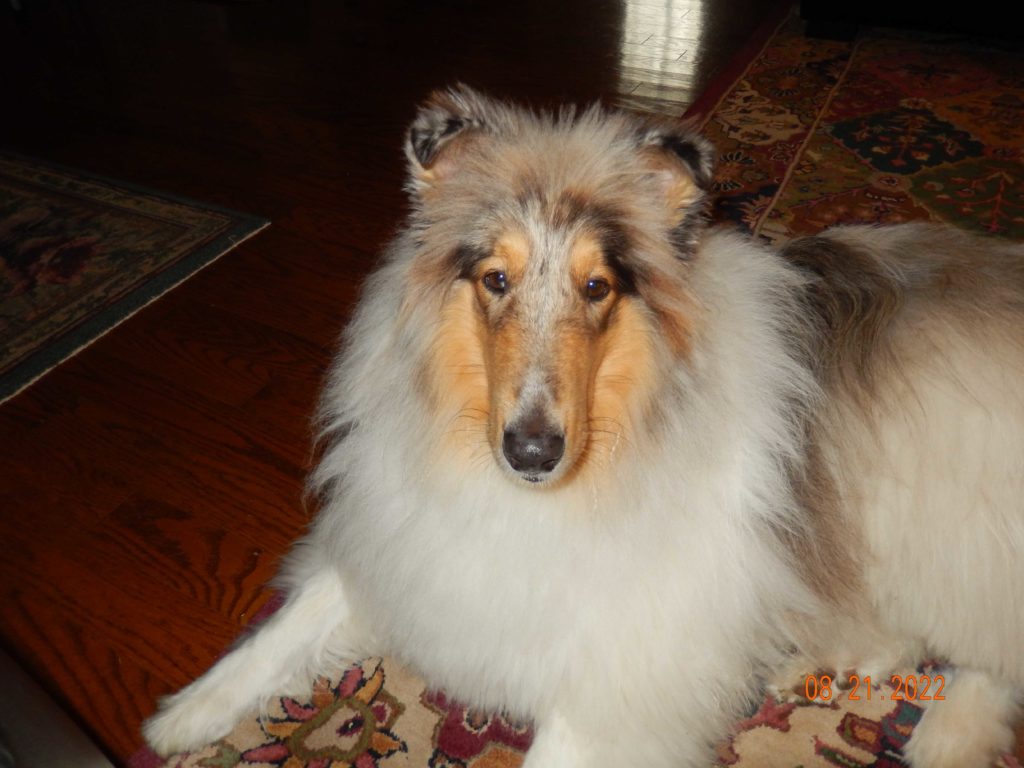
Nickie has always been an animal lover so when she found her home without a dog, she went in search of a new companion to join her family. She soon found Casey, an 8-week-old Rough Collie, and this adorable ball of fluff joined their family.
Unfortunately, the joy of the puppy days was short lived. At just four months old, Casey began to not eat regularly. Nickie diligently tried every recommendation her veterinarian made and not only did Casey’s appetite not improve, but he began to have frequent bouts of diarrhea and vomiting. She tried a variety of commercial, homemade, and prescription diets with no relief. In conjunction with the diets, Casey’s veterinarian prescribed numerous medications, including a steroid called prednisone.
After a variety of diagnostics including X-rays, bloodwork, ultrasound, and biopsies of his GI tract, Casey was diagnosed with Inflammatory Bowel Disease (IBD). As indicated by the name, the intestines of a pet with IBD are chronically inflamed, resulting in symptoms such as diarrhea, vomiting, inappetence, and weight loss. Currently, the primary treatments are medical management via diet and steroids +/- additional supportive medications.
Casey continued his regimen of 7 different medications and a prescription diet with minimal control of his symptoms for nearly 3 years until routine bloodwork revealed that his liver enzymes were elevated. He had another ultrasound with biopsies of his liver that revealed the steroids were damaging his liver. He still struggled with frequent watery diarrhea, vomiting, and weight loss as well as hair loss and red, inflamed skin. Nickie was distraught and questioned if the time had come to let Casey go.
At this time, Casey’s veterinarian suggested trying VetStem Cell Therapy. VetStem, a veterinary regenerative medicine company located in California, is currently researching the use of stem cells for the treatment of IBD. Stem cells have demonstrated the ability to down-regulate inflammation, modulate the immune system, and repair damaged tissue. Additionally, multiple clinical studies have demonstrated that stem cells can improve the symptoms of IBD.
Nickie and her husband were skeptical at first, wondering if this was snake oil or just another dead end in Casey’s treatment. After discussion and research, they decided to pursue stem cell treatment as a last resort. Casey had fat collected from his abdomen in a minimally invasive anesthetic procedure. The fat was aseptically packaged and shipped to the VetStem processing laboratory. Lab technicians processed the fat to isolate and concentrate the stem and regenerative cells contained therein. Therapeutic doses were then prepared for treatment.
Casey
Over the course of 10 months, Casey received 5 separate intravenous doses of his own stem cells. According to his owner, his symptoms have improved greatly and Nickie feels like she is finally getting to meet the real Casey. He now interacts with his family and even plays with them. He has made a best friend at the park that he loves to play with and takes long naps on the porch in the sun. He rolls over for belly rubs, which he had not done in the first 3 years of his life.
Today, Casey eats well and is off all but one of his medications, including being completely off steroids. He has occasional IBD flare ups but nothing to the degree he experienced previously. He has grown back a full, thick Collie coat and loves to “talk” to Nickie and announce all the goings-on in his neighborhood. Nickie says that she has the wonderful problem that Casey is now slightly overweight, something she never thought she would see! Nickie says that without the excellent care of her veterinary team and VetStem Cell Therapy, Casey would not be here today.
Veterinary stem cell therapy, though not new, has gained significant traction in the last 10 years. Through ongoing research and treatment data, we continuously learn more about the many functions of stem cells and what diseases can be treated. VetStem has a variety of research programs, including the IBD program, to collect data and better understand how we can help pets. There is still much left to learn, and it is important to note that each animal responds differently to treatment.
If you think your pet may benefit from VetStem Cell Therapy, speak to your veterinarian or contact us to receive a list of VetStem providers near you.