Archive for October, 2026

Oct 30, 2026

VetStem Cell Therapy for Orthopedic Conditions in Horses

Posted by Bob under Horse Stem Cell Therapy

Horses can experience a variety of orthopedic conditions that affect their comfort, mobility, and ability to perform. From tendon and ligament injuries to osteoarthritis and certain bone conditions, these problems can present challenges for horses, owners, and veterinarians. VetStem Cell Therapy uses regenerative cells processed from a horse’s own fat tissue and has been used by veterinarians to treat a range of orthopedic conditions. According to VetStem survey data, 77% of horses treated for tendon injuries, 76% treated for suspensory ligament injuries, and 57% treated for joint disease returned to their previous level of work. Here are several examples of equine conditions treated with VetStem Cell Therapy and the outcomes reported in individual cases.

Tendon and Ligament Injuries

Tendon and ligament injuries can be particularly challenging in performance horses because healing may take months, and scar tissue can affect the quality of healing. VetStem Cell Therapy may be used as part of a comprehensive treatment and rehabilitation plan for these injuries. In one case study involving a seven-year-old Dutch Warmblood show jumper, a horse with an acute superficial digital flexor tendon injury showed improved ultrasound findings one month after treatment, returned to work under saddle by month four, and resumed a full work schedule by month six. In another case study involving a six-year-old cutting horse with a suspensory ligament injury, the prognosis for return to function was considered guarded with an estimated time of 12 to 15 months. Following stem cell treatment, he returned to his previous level of competition in approximately six months.

Joint Disease and Arthritis

Joint conditions, including osteoarthritis, can cause pain, lameness, and reduced range of motion, affecting a horse’s comfort and performance. Osteochondrosis dissecans (OCD), a developmental condition that can affect joint cartilage and the underlying bone, may also require intervention. Veterinarians may consider VetStem Cell Therapy as part of an individualized treatment plan for certain joint conditions. In a case study of a 15-year-old Thoroughbred broodmare with osteoarthritis in both front fetlock joints, the mare showed improved comfort within 30 days of treatment and was sound at the walk by the 3.5-month evaluation. In another case study involving a two-year-old Quarter Horse colt with stifle OCD, regenerative cell therapy was performed alongside arthroscopic treatment. At follow-up, the colt was sound in both hind limbs, and subsequent evaluation documented cartilage repair. These cases illustrate how regenerative cell therapy may be incorporated into treatment plans for different types of joint disease.

Other Conditions: Bone Cysts and Laminitis

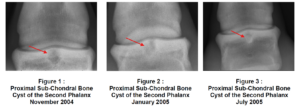
Veterinarians have also used VetStem Cell Therapy in selected cases involving subchondral bone cysts, which are defects in the bone beneath a joint’s cartilage that can contribute to lameness. In a case study of a two-year-old Arabian gelding with a subchondral bone cyst, follow-up radiographs showed substantial improvement in the defect (image below), and the horse returned to competitive activity within 45 days of treatment. VetStem has also shared the story of Bunny, a Quarter Horse with severe laminitis. After receiving two treatments with her own stem cells, Bunny’s owner reported significant improvement and a return to the reining and ranch riding show pen.

It is important to note that each horse and each injury varies, and these individual success stories should not be interpreted as a guarantee of results or as evidence that VetStem Cell Therapy is appropriate for every horse with these conditions. As with any orthopedic problem, diagnosis, treatment selection, and rehabilitation should be guided by the attending veterinarian. If you think your horse may benefit from treatment with VetStem Cell Therapy, speak to your veterinarian or contact us to receive a list of VetStem providers near you.

Share
Oct 23, 2026

Celebrating Veterinary Technicians For National Vet Tech Week

Posted by Bob under Veterinary Medicine

National Veterinary Technician Week is an opportunity to recognize the veterinary professionals who help keep clinics running smoothly and patients comfortable, safe, and well cared for. From monitoring patients during procedures to educating pet owners and supporting veterinarians, veterinary technicians bring a unique combination of medical knowledge, technical skill, and compassion to their work. Their contributions often happen behind the scenes, but their impact on patient outcomes is significant.

Veterinary technicians are also essential to carrying out treatment plans and ensuring patients receive the care they need. With VetStem Cell Therapy, their involvement can span multiple stages of care, from assisting with fat collection and preparing for treatment to coordinating logistics and supporting follow-up care. Their organization, attention to detail, and communication help make the process of providing stem cell therapy as seamless as possible for veterinary teams and pet owners.

At VetStem, we understand the value of having knowledgeable, experienced veterinary technicians as partners in patient care. Several members of our own team began their careers as veterinary technicians, giving them firsthand insight into the demands of clinical practice and the challenges veterinary professionals navigate every day. That experience helps us better understand the needs of our veterinary partners so we can provide practical guidance and support throughout the stem cell treatment process.

To all the veterinary technicians who dedicate their time and talents to helping animals live healthier, more comfortable lives, thank you! Your work requires patience, adaptability, and a genuine commitment to the patients who depend on you. During National Veterinary Technician Week, we celebrate the difference you make in veterinary medicine and are grateful for the opportunity to work alongside you!

Share
Oct 16, 2026

National Fetch Day: Stem Cells Help Dog Fetch Again

Posted by Bob under Dog Stem Cells

Tomorrow is National Fetch Day, a perfect opportunity to celebrate one of the things dogs love most: playing fetch! For dogs experiencing pain or mobility issues, though, something as simple as chasing a ball can become difficult or even impossible. One of the best things about seeing a dog feel better after VetStem Cell Therapy is watching their willingness and ability to play return.

Stuart, an eight-year-old Labrador retriever, always loved playing fetch. In fact, according to his owner, Stuart loved playing ball so much that whenever someone came to the door, he would grab a toy to greet them, just in case they wanted to play. Unfortunately, Stuart began limping and eventually could no longer play fetch. Although he remained his happy, fun-loving self, it was clear that he was in pain. Stuart was diagnosed with soft tissue injuries affecting his wrist and shoulder, and after traditional treatments did not provide the results his family hoped for, they decided to pursue VetStem Cell Therapy.

Just one week after treatment, Stuart’s owner noticed a remarkable change. Stuart had more energy and a noticeable spring in his step. In fact, he felt so much better that keeping him from jumping and playing during his recovery became the challenging part. His owner said Stuart was “almost like a puppy” again. And perhaps most importantly, he was able to return to the activity he loved most: playing fetch.

More than a year after his treatment, Stuart continued to run and play without limping or showing signs of pain. Of course, he was still playing fetch. For his owner, seeing Stuart return to the activities that made him happy was one of the most meaningful parts of his recovery. As she put it, “Stem cell therapy was really a blessing for Stu. It added years to his life.”

This National Fetch Day, we’re celebrating dogs like Stuart who get the chance to get back to doing what they love.

If you think your pet may benefit from treatment with VetStem Cell Therapy, speak to your veterinarian or contact us for a list of VetStem providers.

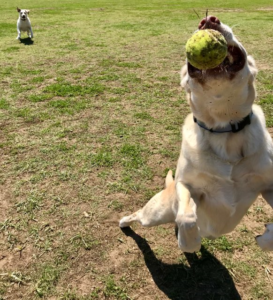
Stuart catching his ball!

Share
Oct 9, 2026

Stem Cells and PRP: Regenerative Therapies for Pets

When your pet is dealing with an injury, joint problem, or another condition that affects their comfort and mobility, your veterinarian may recommend regenerative medicine as part of their treatment plan. Two commonly used regenerative therapies are stem cell therapy and platelet-rich plasma (PRP). While both work with the body’s natural healing processes, they do so in different ways and may be used separately or together depending on your pet’s condition.

Stem cell therapy uses cells that can respond to signals from damaged or inflamed tissue. Once administered, stem cells can help regulate inflammation and support the body’s natural repair processes. Stem cell therapy may be considered for conditions such as osteoarthritis and soft tissue injuries. Stem cells may also be helpful for systemic issues, including organ failure and immune-mediated or inflammatory conditions.

PRP works in a different way. Platelets contain growth factors and other substances that can enhance healing. PRP concentrates these platelets so they can be delivered to a specific area of concern. PRP may be used for conditions such as joint, tendon and ligament injuries, wound healing, and other situations where supporting the body’s natural healing response may be beneficial.

In some cases, veterinarians may recommend using stem cells and PRP together. Because the two therapies support healing through different mechanisms, they may complement one another as part of a comprehensive treatment plan. Whether your pet may benefit from stem cells, PRP, or both depends on their specific condition, overall health, and treatment goals. Your veterinarian can help determine which regenerative therapy, or combination of therapies, may be appropriate for your pet.

Share
Oct 2, 2026

Walk Your Dog to Support Joint Health

Posted by Bob under Exercise For Pets

The first week of October is National Walk Your Dog Week, making it a great time to grab the leash and get moving with your four-legged friend. Regular walks are an easy way to support your dog’s overall health, and they can be especially beneficial for maintaining healthy joints. Walking provides low-impact exercise that helps keep joints moving while supporting the muscles and soft tissues that help stabilize them.

Regular, controlled exercise may be particularly helpful for dogs with osteoarthritis (OA). Staying active can help with muscle strength, weight maintenance, and can also help to keep the joints lubricated. While dogs with joint problems may not be able to participate in high-impact activities, gentle walks can provide an opportunity to keep their bodies moving without putting unnecessary stress on their joints.

Every dog has different exercise needs, so the right amount of walking will depend on factors such as age, fitness level, and overall health. Dogs with joint pain or mobility issues may benefit from shorter, more frequent walks rather than longer outings. Pay attention to signs that your dog may be uncomfortable, such as limping, stiffness, reluctance to walk, or difficulty getting up after exercise. If you notice these changes, talk with your veterinarian about an appropriate exercise routine and ways to support your dog’s joint health.

For some dogs, however, walking may not be enough, especially if they are already dealing with osteoarthritis or significant joint discomfort. That’s where VetStem Cell Therapy may be an option. Stem cell therapy may help regulate inflammation and support the body’s natural healing processes, which may help improve comfort and mobility. For dogs dealing with joint problems, supporting their comfort and mobility can make it easier to participate in regular, gentle exercise and continue enjoying their daily walks.

This National Walk Your Dog Week, make time for a walk and give your dog the benefits of regular, gentle movement. Whether it’s a stroll around the neighborhood or a longer adventure, those walks can be an important part of helping your dog stay active and comfortable throughout life. And if your dog needs a bit more support, speak to your veterinarian about treating with VetStem Cell Therapy. Or contact us to receive a list of VetStem providers near you.

Share