Mar 13, 2026

Celebrating K9 Veterans Day Through VetStem Success Stories

Posted by Bob under Dog Stem Cells, VetStem Cell Therapy

Every year on March 13th, we celebrate National K9 Veterans Day, a day dedicated to honoring the incredible military, police, search and rescue, and working dogs who serve alongside their human partners. These dogs put their lives on the line to protect and support us. This day recognizes not only their service, but also their sacrifice.

At VetStem, we have been fortunate to be a small part of several working dogs’ journeys. Over the years, we have worked alongside dedicated veterinarians and handlers who are committed to keeping their canine partners comfortable, active, and able to do the jobs they were trained to do. In fact, a published study involving police K9s treated with VetStem Cell Therapy for semitendinosus myopathy, a muscle injury that can significantly impact performance, showed that stem cell treatment supported healing and helped these dogs return to full duty. It is always an honor to support these teams and witness firsthand the impact regenerative medicine can have on dogs who give so much of themselves in service to others.

One such unforgettable hero is Lex, a military working dog who served in Iraq as a bomb detection dog. After losing his handler, Corporal Dustin Lee, in combat, Lex sustained injuries and later developed degenerative joint disease. As he aged, mobility became more difficult. With VetStem Cell Therapy, Lex received injections of his own stem cells to help address joint inflammation and discomfort. Following treatment, he experienced improved mobility and comfort, an outcome we are always honored to be part of.

We have also seen stem cell therapy make a difference for dogs like Jax, a working explosive detection dog diagnosed with hip dysplasia at a young age. Hip pain could have ended his career early, but after treatment with VetStem Cell Therapy, Jax’s lameness resolved and he was able to continue working. For Yana, a dedicated search and rescue K9 who suffered a muscle injury, stem cell therapy supported healing so she could return to the job she loves. In another inspiring story, a hardworking service dog named Walter Beaux who struggled with inflammatory bowel disease was able to return to his daily duties after stem cell therapy helped resolve his symptoms.

On National K9 Veterans Day, we are proud to celebrate these remarkable dogs and to support veterinarians and handlers with regenerative medicine options that can help improve quality of life and, in many cases, help these heroes get back to work.
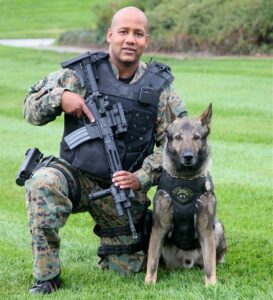
Officer Washington with K-9 Jago, who received VetStem Cell Therapy for semitendinosus myopathy


Share
Feb 13, 2026

Protect Your Dog’s Future with VetStem’s StemInsure

Posted by Bob under StemInsure

When it comes to stem cell therapy, timing matters. While most people think about treatment after a dog starts showing signs of pain or injury, the VetStem StemInsure is all about planning ahead. It allows pet owners to bank their dog’s own stem cells while they’re young and healthy, so those cells are ready if they’re ever needed later in life. It’s a simple way to be proactive about your pet’s future care.

VetStem’s StemInsure process fits easily into a routine procedure like a spay, neuter, or dental. A small amount of fat is collected, sent to VetStem’s lab, and the stem cells are processed and cryopreserved for long-term storage. Those stored cells can be expanded and used when the time is right. That means no extra fat collection procedure down the road.

What pet owners like most about the VetStem StemInsure is the peace of mind. Instead of scrambling for options after an injury or diagnosis, the cells are already there. For dogs that may be prone to orthopedic issues or age-related joint problems, having stem cells banked early can make future treatment simpler and less stressful for both pets and their people.

Speak to your veterinarian or contact us for a list of VetStem providers near you.

Share
Jan 30, 2026

VetStem Cell Therapy Helps Agility Dog Compete Again

Posted by Bob under Dog Stem Cells

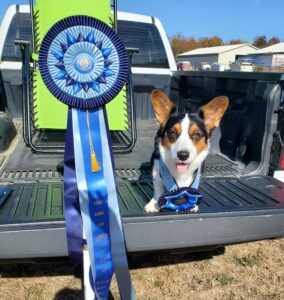
At just one and a half years old, Hex, a Cardigan Welsh Corgi, was already proving herself as a standout in the agility world. In only a few short months, she advanced rapidly through the Novice, Open, and Excellent levels of AKC agility and was just about ready to start competing against more experienced dogs at the Master level of competition. Then, just one week before her first Master-level competition, Hex came in from the yard limping.

Although initial treatment with NSAIDs provided some relief, Hex continued to show reduced range of motion in her left front leg. Her owner sought out Dr. Sherman Canapp of Canapp Sports Medicine, a board-certified veterinary surgeon internationally recognized for diagnosing and treating complex soft tissue and orthopedic injuries in canine athletes. After a thorough evaluation, he diagnosed Hex with multiple soft tissue injuries in her left shoulder, along with abnormalities in both elbows.

Dr. Canapp recommended arthroscopy of both elbows and the left shoulder, followed by VetStem Cell Therapy to support healing and recovery. After completing the surgical repairs and subsequent stem cell injections, Hex began a carefully structured rehabilitation program with a veterinary physical therapist. About three months later, she was cleared to return to agility training.

Her owner reported, “I am grateful and excited to report that Hex is back running agility at the highest levels! One year after her injury, we returned to agility competition. We took things slowly, but she has never looked back – running better than before with a visible improvement in her jumping form and in her performance of the obstacles. Agility is a tough sport and can be even harder for dogs (like Corgis) that aren’t really built for lots of jumping or running up and down A-frames at high speed, but with careful strength and fitness training and stem cells from VetStem, Hex is holding her own competitively, trialing almost every weekend. Hex completed her Master Agility Champion title (MACH) and she will be competing in the AKC Agility Invitational. Most importantly, though, Hex is happy and sound. I know that VetStem Cell Therapy has been a critical part of Hex’s return to sport and I sleep better at night knowing that Hex’s stem cells are banked and ready should we need to use them in the future.”

Stem cells are regenerative cells that can differentiate into many tissue types and release growth factors and proteins that help reduce inflammation, stimulate tissue repair, and promote healing. VetStem Cell Therapy has been used in the treatment of orthopedic injuries, arthritis, and tendon and ligament damage in dogs, cats, and horses. By helping injured animals heal, stem cells can improve quality of life and, in many cases, allow canine athletes like Hex to return to competition.

Whether your dog is a competitive athlete or a beloved companion, VetStem Cell Therapy may help with a variety of conditions and injuries. Speak with your veterinarian or contact us to find a VetStem provider near you.

Hex

Share
Jan 9, 2026

VetStem Cell Therapy for Aussie with Sebaceous Adenitis

Today, January 9th, is National Australian Shepherd Day and we wanted to share the story of a special Aussie who was treated with VetStem Cell Therapy for a non-standard indication: sebaceous adenitis. We haven’t discussed this topic much on our blog however a few patients have received VetStem Cell Therapy for this condition and have experienced good results overall.

Sebaceous Adenitis

Sebaceous adenitis is a challenging immune mediated skin disease in dogs in which the immune system attacks the sebaceous glands. These glands help to maintain skin and coat health. Dogs with this disease often experience dry and brittle fur, hair loss, scaling, skin lesions, and potentially secondary skin infections.

Unfortunately, like most immune mediated conditions, treatment is aimed at controlling symptoms and is not curative. This means that lifelong treatments such as frequent bathing with medicated shampoos, along with supplements and medications will be necessary to help keep pets with this disease comfortable. As you can imagine, treatment can be labor intensive and not all pets respond.

Nikita’s Story

Nikita, an Australian Shepherd, was diagnosed with sebaceous adenitis after her owner noticed patchy fur with poor skin and coat quality. Nikita’s case was so bad that she was on heavy doses of steroids and other immunosuppressive medication. Her dedicated owner sought treatment with stem cell therapy, hoping to achieve a better quality of life for Nikita.

Nikita’s initial treatment included three separate intravenous doses spaced approximately one week apart. After her first two doses, both her veterinarian and her owner noticed slight improvement in her skin. Approximately thirty days after her initial treatment, her owner noticed that her fur was growing back, her skin was healthy, and she was off 75% of her medication. Nikita was also more social and willing to play again. It was clear she was feeling much better!

Following Nikita’s initial stem cell treatment, she continued to receive retreatments once to twice a year to help keep her symptoms under control. Prior to stem cell therapy, her condition had progressively worsened, and her owner shared that the disease was slowly but surely taking her life. One family member recalled, “Unless you had seen Nikita so close to dying, you can’t appreciate what a gift stem cells have been. She is such a happy, naughty, loving, and lovable little dog now.”

Stem Cells for Immune Mediated Diseases

While stem cells are still being studied for the treatment of immune mediated diseases, we do know that stem cells play a key role in not only managing pain but also in down-regulating inflammation. Perhaps most importantly for these conditions, stem cells have demonstrated immunomodulatory characteristics and the ability to help balance a patient’s immune system.  By addressing immune imbalance rather than solely managing symptoms, stem cell therapy may serve as a valuable treatment for dogs with sebaceous adenitis, particularly those that are difficult to manage with conventional therapies alone.

The Takeaway

Though stem cell therapy did not cure Nikita’s disease, it played a meaningful role in improving her comfort and overall quality of life. VetStem Cell Therapy is not the answer for every condition and may not help every patient the way it helped Nikita. That being said, if your pet is struggling with an immune mediated disease that is not well controlled by standard treatment, speak to your vet about stem cell therapy. Or reach out to us for more information and a list of VetStem providers in your area.

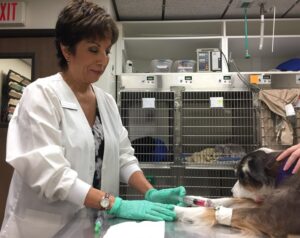
Dr. Bernadine Cruz administering intravenous stem cells to Nikita

Share
Nov 14, 2025

VetStem Cell Therapy Helps Puppy with Arthritis Avoid Surgery

Gemini, a young Golden Retriever, began struggling with mobility as early as nine months old. Her owners noticed that simple activities, like climbing stairs or getting up from a resting position, were becoming increasingly difficult for her. She also experienced intermittent lameness and discomfort. Gemini’s veterinarian diagnosed her with bilateral hip arthritis caused by hip dysplasia, a developmental condition in which the hip joint does not form properly. This joint instability can lead to painful osteoarthritis, even in very young dogs.

Because of her age, Gemini’s family hoped to avoid invasive surgical procedures. Her veterinarian, Dr. Andrea Hayes of VCA Boone Animal Hospital, recommended VetStem Cell Therapy as a less-invasive treatment option. “After her first stem cell treatment, at 10 months old, she showed significant improvement in all areas of mobility,” her owner shared. “Although her range of motion had improved, it was still not at an acceptable range, and she still showed signs of discomfort at times.”

When Gemini turned two, her owners decided to use some of the stored stem cells for a second treatment. “At the age of 24 months, we still felt she was too young to consider a surgical procedure and decided to have another stem cell treatment performed with the banked doses we had in storage at VetStem from the original procedure,” her owner explained. “After this second treatment, Gemini’s condition significantly improved. Her range of motion is almost that of a healthy dog. Although stairs are still somewhat of an issue for her, she has no other mobility issues at this time. We are grateful to have found a non-surgical option for Gemini to improve her quality of life. We are also grateful for having someone like Dr. Hayes making this type of treatment available to us. It is comforting to know that this type of treatment is still available for Gemini in the future, if needed, with the banked cells we still have at VetStem. Our hopes are to avoid ever having to put her through hip replacement or any other type of orthopedic surgery. Gemini is currently in training to become a certified therapy dog just like her brother and sister dogs.”

Osteoarthritis is one of the most common orthopedic conditions in dogs and can significantly impact mobility and overall quality of life. VetStem Cell Therapy has been used to treat thousands of dogs with osteoarthritis, with over 80% of pet owners and veterinarians reporting improved comfort and function. And because osteoarthritis is often a progressive condition, VetStem’s ability to store stem cells for future treatments can be a valuable tool for long-term care.

Think your pet may benefit from VetStem Cell Therapy? Speak to your veterinarian or contact us for a list of VetStem providers near you.

Gemini

Share
Nov 7, 2025

VetStem Helps Senior Pets Feel and Move Better

Posted by Bob under Senior Pets, VetStem Cell Therapy

November is National Senior Pet Month, a time to celebrate our beloved older companions and to raise awareness about their unique health needs. Just like people, pets can experience age-related changes such as stiffness and slower movement, which is often a result of arthritis. But growing older doesn’t have to mean giving up the things that bring them joy. At VetStem, we believe every stage of life deserves to be lived comfortably, and that’s where VetStem Cell Therapy can help.

It’s a common misconception that regenerative medicine is only for young, athletic animals recovering from injury. In fact, many of our patients are senior dogs and cats being treated for arthritis or other degenerative conditions. VetStem Cell Therapy can help reduce inflammation, promote tissue repair, and improve overall comfort and mobility. In a survey of older dogs treated with VetStem Cell Therapy for arthritis, over 80% showed improved quality of life. One example is Callie, who regained her zest for life and was able to fully enjoy her golden years after treatment with stem cells.

During National Senior Pet Month, we encourage pet owners to take a closer look at how regenerative medicine can support their aging companions. Whether your senior pet is showing early signs of arthritis or has been struggling for some time, VetStem Cell Therapy may offer a safe and effective way to enhance their comfort and mobility. Talk to your veterinarian to find out if your pet is a good candidate or contact us to receive a list of VetStem providers near you.

Share
Aug 15, 2025

VetStem Helps Senior Dog with Arthritis Enjoy Her Golden Years

Posted by Bob under Dog Arthritis, Dog Stem Cells

At 14 years old, Callie, a Flat-coated retriever mix, was facing serious mobility challenges. Diagnosed with spondylosis and severe arthritis in her hips and knees, Callie struggled with pain and stiffness, often requiring help just to stand. Her discomfort became so intense that she began snapping at her owners.

Determined to improve her quality of life, Callie’s owners turned to board-certified veterinary surgeon Dr. Tim McCarthy, who had extensive experience with regenerative medicine. Dr. McCarthy recommended VetStem Cell Therapy in an effort to decrease Callie’s pain and inflammation while promoting healing and tissue repair.

After a small fat sample was collected from Callie’s abdomen, VetStem lab techs isolated and concentrated her stem cells. Just two days later, Callie received injections in her hips, knees, and via IV. Just a few days after treatment, Callie was showing signs of improvement. As her symptoms improved, she began getting up on her own and regained her energy and zest for life. Her family shared, “She had her energy back, she was running around, and she stopped snapping at us. It gave her life back.”

Callie enjoyed over two more active and happy years before she crossed the rainbow bridge. Her story is one of many that highlights how VetStem Cell Therapy may help dogs suffering from arthritis. In fact, more than 80% of surveyed pet owners and veterinarians reported improved quality of life for older dogs following stem cell therapy for osteoarthritis. As Callie’s family put it best, “We are so very thankful for her stem cell therapy!”

Share
Jun 27, 2025

VetStem Cell Therapy Speeds Dog’s Recovery After House Fire

Posted by Bob under Dog Stem Cells, VetStem Cell Therapy

Earlier this week, we shared a VetStem success story about Maisey, a sweet pup who initially received VetStem Cell Therapy to help heal a torn cruciate ligament. While her orthopedic recovery went well, Maisey later required a second stem cell treatment—but this time for a very different and unexpected reason. Though we don’t currently have substantial clinical data for this type of application, cases like Maisey’s offer valuable anecdotal evidence that may help guide future research and therapeutic possibilities. Read on to hear a firsthand account from Maisey’s owner.


In September, while my family and I were away, Maisey stayed with a caretaker. Unfortunately, a terrible house fire occurred. After rescuing the dogs, the fire department sent Maisey, along with several other dogs, to Cornell Veterinary Hospital in Stamford, CT. Chest X-rays indicated smoke inhalation injuries, and blood work showed high levels of carbon monoxide. We ordered her VetStem treatment as soon as she was released. Before the treatment, Maisey had bloodshot eyes, red gums, and a persistent cough that lasted day and night. A few days after her treatment, her eyes were clear, her gums returned to normal, and her cough had completely resolved. Everyone believes her recovery was much quicker because of the treatments—other dogs who did not receive the therapy experienced lingering symptoms for weeks afterward. We couldn’t have been happier to know that choosing the VetStem treatment was the right decision!


WOW!! Though VetStem has not conducted studies on the use of stem cells for smoke inhalation, we do know that stem cells possess anti-inflammatory properties and support tissue regeneration. These effects may have contributed to Maisey’s swift recovery. We’re thankful she had her cells banked ahead of time, allowing for rapid access to this potentially life-saving therapy when she needed it most.

Maisey

Share
May 23, 2025

Cherry Pie the Champion: VetStem Cell Therapy Success Story

Posted by Bob under Dog Arthritis, Dog Stem Cells

As we continue Arthritis Awareness Month, we wanted to share a VetStem success story about a dog who lived a better quality of life after receiving VetStem Cell Therapy for arthritis. At just 12 weeks old, Cherry Pie, a cocker spaniel, was hit by a car, breaking her right femur and knee. She underwent multiple surgeries and two rounds of stem cell treatments with another provider. Unfortunately, her initial stem cell supply ran out after just two treatments and her injuries left her with arthritis at a young age, which began to affect her quality of life.

That’s when her veterinarian recommended VetStem Cell Therapy. As we discussed in last week’s blog, stem cells have the unique ability to differentiate into various tissue types and have been shown to alleviate pain and inflammation, restore range of motion, and promote the regeneration of tendons, ligaments, and joint tissues. A peer-reviewed study found that stem cell treatment significantly reduced pain and lameness in dogs with chronic osteoarthritis of the hip.

Unlike her previous experience, VetStem only needs one fat collection to create a lifetime supply of your pet’s own stem cells. Cherry Pie had a small amount of fat collected from her abdomen, which was sent to the VetStem lab in California. From there, her cells were processed, packed into doses, and shipped back for treatment. Cherry Pie received one dose of her own stem cells in her knee, one in her hip, and another was given intravenously. The rest were put into cryopreservation for future use.

Over the next four years, Cherry Pie received yearly stem cell treatments using her banked cells, and the results were amazing. Her owner reported that VetStem Cell Therapy enabled Cherry Pie to remain active and maintain a good quality of life without relying on long-term nonsteroidal anti-inflammatory medications (NSAIDs). Remarkably, at the age of eleven, Cherry Pie returned to obedience competitions. Her owner stated, “She finished her AKC Obedience Championship and was in the top 50 at the National Obedience Championships at the age of 12. She was also the very first cocker spaniel invited to the Westminster Master Obedience Invitational at the age of 13, securing her place as one of the greatest cockers in the breed history. Without VetStem, none of that was possible.”

Cherry Pie passed away at the age of 14, surrounded by love. Thanks to the long-term benefits of VetStem Cell Therapy, she lived her golden years pain-free and full of purpose. Her story is a powerful reminder of what regenerative medicine can do, not just to manage arthritis, but to truly give our pets the best life possible.


If you think your pet may benefit from treatment with VetStem Cell Therapy, speak to your veterinarian or contact us to receive a list of VetStem providers near you.

Cherry Pie

Share
Apr 18, 2025

VetStem Gets Working Service Dog with IBD Back to Work!

Walter Beaux is a dedicated working service dog who works alongside Law Enforcement, Fire, EMS, and Military teams across the U.S. specializing in psychological debriefs, physical therapy, and training. Unfortunately, Walter began experiencing gastrointestinal issues that disrupted his career. After consulting with his veterinarian, Dr. Robert Landry of CCAPM Veterinary Care Center, Walter was diagnosed with inflammatory bowel disease (IBD), a condition that causes chronic inflammation of the intestines, leading to symptoms like vomiting, diarrhea, inappetence, and weight loss.

Dr. Landry, an experienced regenerative medicine provider, recommended treatment with VetStem Cell Therapy under our IBD clinical research program. Stem cells have demonstrated the ability to migrate to areas of inflammation, down-regulate inflammation, modulate the immune system, stimulate neoangiogenesis (formation of new blood vessels), and repair damaged tissue. Additionally, multiple clinical studies have demonstrated that intravenous administration of adipose derived stem cells could ameliorate the clinical signs of IBD.

Walter was initially treated with one intravenous (IV) dose of his own stem cells, followed by a second IV dose two weeks later. Since his initial treatment, Walter has been receiving additional IV injections every 3 to 4 months as part of an “aggressive” treatment protocol designed for patients with severe cases of IBD.

Walter’s owner reported that the stem cell treatments were successful, and since the first treatment, he has been able to return to his career. His mom stated, “His gastro issues are in full remission and no longer dominating his life. He fetches his work pack on days off and is eager to deploy. At home he is back to hiking. Life is wonderful again!”

Walter is not our only IBD success story! Check out the stories of Casey, Finn, and Gryffin, who all saw an improvement in their symptoms following treatment with VetStem Cell Therapy.

If your dog (or cat!) has IBD VetStem Cell Therapy may help! Speak to your veterinarian or contact us to receive a list of VetStem providers near you.

Walter

Share