Dec 5, 2025

National Cat Lovers’ Month: VetStem Cell Therapy for Cats

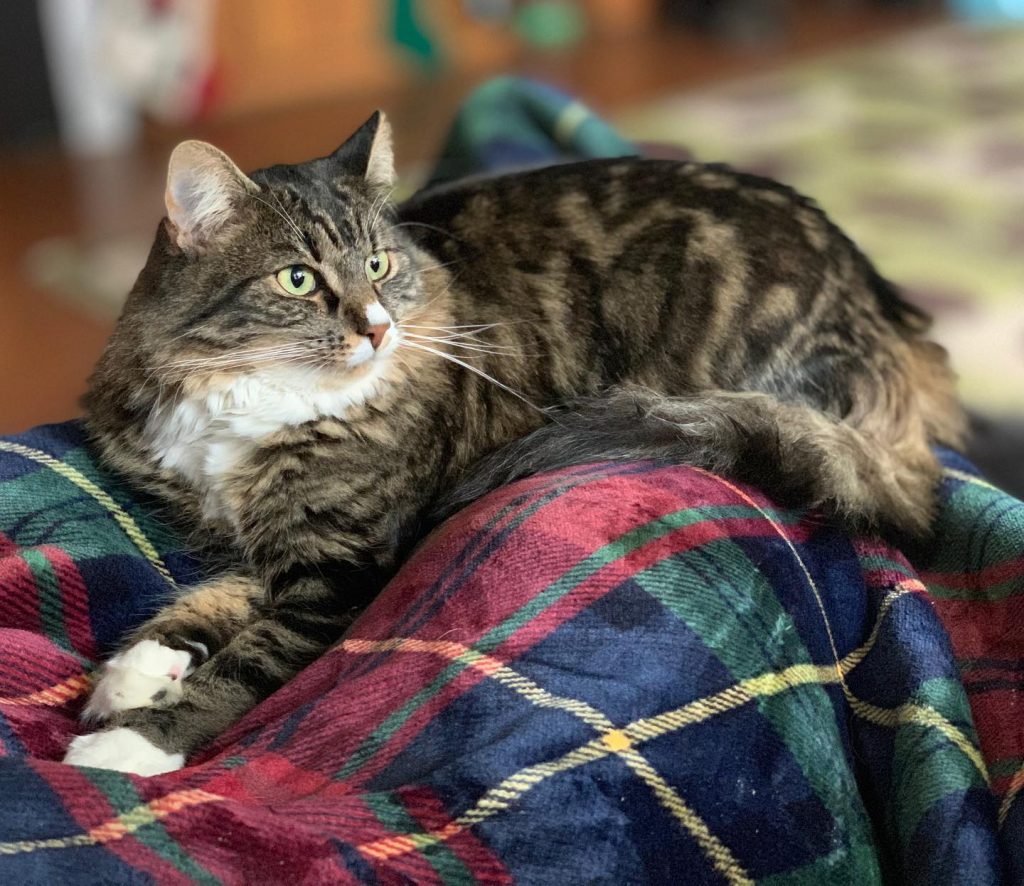
In honor of National Cat Lovers’ Month, we’re highlighting how VetStem Cell Therapy can help improve quality of life for cats facing common chronic conditions. Using your cat’s own regenerative cells collected from a small sample of fat, VetStem Cell Therapy offers a natural way to reduce inflammation, support healing, and promote long-term comfort.

Orthopedic Issues

Arthritis and orthopedic injuries can greatly affect a cat’s mobility and quality of life. VetStem Cell Therapy helps reduce inflammation, improve joint comfort, and support tissue repair. Many cat owners report better mobility, increased playfulness, and an overall happier cat following treatment with stem cells.

Chronic Kidney Disease (CKD)

CKD is one of the most common illnesses in older cats. Common symptoms can include weight loss, lethargy, variable appetite, and poor coat quality. Some cats may also drink and urinate more, vomit, or have diarrhea. Unfortunately, treatment options for cats with kidney disease are limited. Stem cells have shown promise in supporting kidney function by reducing inflammation and fibrosis. While not a cure, VetStem Cell Therapy may help slow progression and improve symptoms in some cats with CKD.

Inflammatory Bowel Disease (IBD)

Cats with IBD often struggle with chronic vomiting, diarrhea, and weight loss. Stem cells may help calm the immune system and decrease gastrointestinal inflammation in cats with IBD. Many veterinarians consider this therapy when traditional treatments aren’t enough or cause unwanted side effects. Numerous cats (and dogs!) have shown remarkable improvement after treatment with VetStem Cell Therapy, with some even experiencing a full resolution of their symptoms.

Feline Chronic Gingivostomatitis (FCGS)

This painful oral inflammatory condition can significantly impact a cat’s quality of life. VetStem Cell Therapy is a promising option for cats who don’t fully respond to dental extractions or medications. And some cats have been able to avoid full mouth extractions after treatment with VetStem Cell Therapy. Stem cells can help regulate the immune response and reduce severe inflammation in the mouth, thereby improving symptoms and quality of life.


If your cat is struggling with any of these conditions, talk to your veterinarian to see whether VetStem Cell Therapy may help or contact us to find a VetStem provider near you.


Share
Nov 7, 2025

VetStem Helps Senior Pets Feel and Move Better

Posted by Bob under Senior Pets, VetStem Cell Therapy

November is National Senior Pet Month, a time to celebrate our beloved older companions and to raise awareness about their unique health needs. Just like people, pets can experience age-related changes such as stiffness and slower movement, which is often a result of arthritis. But growing older doesn’t have to mean giving up the things that bring them joy. At VetStem, we believe every stage of life deserves to be lived comfortably, and that’s where VetStem Cell Therapy can help.

It’s a common misconception that regenerative medicine is only for young, athletic animals recovering from injury. In fact, many of our patients are senior dogs and cats being treated for arthritis or other degenerative conditions. VetStem Cell Therapy can help reduce inflammation, promote tissue repair, and improve overall comfort and mobility. In a survey of older dogs treated with VetStem Cell Therapy for arthritis, over 80% showed improved quality of life. One example is Callie, who regained her zest for life and was able to fully enjoy her golden years after treatment with stem cells.

During National Senior Pet Month, we encourage pet owners to take a closer look at how regenerative medicine can support their aging companions. Whether your senior pet is showing early signs of arthritis or has been struggling for some time, VetStem Cell Therapy may offer a safe and effective way to enhance their comfort and mobility. Talk to your veterinarian to find out if your pet is a good candidate or contact us to receive a list of VetStem providers near you.

Share
Aug 22, 2025

Improving Cat Health with Veterinary Visits and Stem Cells

Posted by Bob under Cat Stem Cells, Cats

Every year, National Take Your Cat to the Vet Day serves as an important reminder of how vital regular veterinary care is for our feline companions. Despite this, statistics show that cats are brought in for routine check-ups far less frequently than dogs. One major reason? Cats are experts at hiding pain and illness, often showing no outward signs until a condition has significantly progressed.

That’s why routine veterinary visits are so crucial. They give your vet the opportunity to detect early warning signs of disease and recommend proactive treatments that can improve your cat’s comfort and quality of life. One such innovative treatment option is VetStem Cell Therapy, which uses your cat’s own stem cells to promote healing and reduce inflammation. At VetStem, we’ve seen great results helping cats with osteoarthritis regain mobility and reduce pain.

Beyond arthritis, stem cells have shown promise in treating chronic kidney disease, gingivostomatitis (a painful oral disease), and inflammatory bowel disease. Check out our recent blog for more information about VetStem Cell Therapy for these hard-to-treat conditions in cats.

If you’re considering VetStem Cell Therapy for your cat, we’re here to help you every step of the way. Here’s a quick overview of how the process works:

  1. Collection: Your veterinarian collects a sample of fat tissue from your cat during a minor procedure performed under anesthesia.
  2. Processing: The sample is sent overnight in a temperature-controlled container to our VetStem lab, where technicians isolate and concentrate your cat’s stem cells.
  3. Treatment: Stem cell doses are then shipped back to your veterinarian for immediate injection. Any remaining cells will be cryopreserved for potential future use.

The entire procedure is designed to be minimally invasive and focused on your cat’s comfort and safety.

Our cats may not always tell us when something is wrong, but regular veterinary care, and staying informed about treatment options like VetStem Cell Therapy, can make a world of difference in their well-being. This National Take Your Cat to the Vet Day, consider scheduling your cat for a check-up and ask your vet if stem cell therapy could be right for your feline friend.

Need a list of VetStem providers near you? Contact us today!

Smiling woman and her cat at the veterinary clinic, a doctor is examining the pet

Share
Aug 8, 2025

Celebrating International Cat Day with VetStem Cell Therapy

In honor of International Cat Day, we’re spotlighting some of the ways VetStem Cell Therapy is helping our feline companions live healthier, more comfortable lives. While many pet parents associate stem cell therapy with orthopedic conditions in dogs, cats can also benefit from this advanced treatment for a variety of serious health issues. At VetStem, we’ve seen promising results in cats treated for osteoarthritis, chronic kidney disease, gingivostomatitis, inflammatory bowel disease (IBD).

Osteoarthritis, a degenerative joint disease, can significantly impact a cat’s quality of life by limiting mobility and activity. Stem cells may reduce inflammation and pain and promote the healing of damaged joint tissues, thereby improving mobility and overall quality of life. In a recent blog, we shared Zo’s VetStem success story. Zo, a normally social cat, began isolating and showed a marked decrease in activity. She was diagnosed with severe arthritis in her elbows. Fortunately, after treatment with VetStem Cell Therapy, Zo returned to her typical outgoing self and even resumed jumping to perch on elevated surfaces. You can read Zo’s success story here.

Chronic kidney disease is one of the most common and devastating conditions affecting older cats. Common symptoms can include weight loss, lethargy, variable appetite, and poor coat quality. Some cats may also drink and urinate more, vomit, or have diarrhea. Unfortunately, treatment options for cats with kidney disease are limited and can be costly. However, we’ve seen encouraging outcomes in cats treated with VetStem Cell Therapy for kidney disease. Symptoms have resolved and, perhaps more importantly, blood kidney values improved in several treated cats. To read more, check out Trinity’s and Bender’s VetStem success stories.

Similarly, cats suffering from gingivostomatitis, a painful inflammatory condition of the mouth, may benefit from VetStem Cell Therapy. One such cat, Finn, experienced significant relief after treatment with stem cells. His owner stated that the stem cells helped control his condition and improved his quality of life. You can read Finn’s story here.

Another lesser-known use for VetStem Cell Therapy in cats is for inflammatory bowel disease (IBD), a chronic condition that can cause vomiting, diarrhea, and weight loss. Gryffin, a cat who battled IBD, was treated with VetStem Cell Therapy and experienced dramatic improvement in his gastrointestinal symptoms. He began playing more, regained lost weight, and his coat quality improved significantly.

These stories are just a few examples of how stem cells may offer hope and healing for cats facing difficult diagnoses. On this International Cat Day, we celebrate the incredible resilience of our feline friends and the innovative treatments that help them thrive.

Think your cat may benefit from VetStem Cell Therapy? Speak to your veterinarian or contact us to receive a list of VetStem providers near you.


Share
May 30, 2025

Arthritic Cat Thrives Again Thanks to VetStem Cell Therapy

Posted by Bob under Cat Arthritis, Cat Stem Cells

As Arthritis Awareness Month comes to an end, we wanted to share one more VetStem success story. As discussed in our recent blog, arthritis is not just a dog problem. It’s actually very common in cats as well, though it is unfortunately underdiagnosed. But, just like dogs, cats with arthritis can benefit from treatment with VetStem Cell Therapy! This is Zo’s stem cell success story, as told by her loving owner, Ruth.

Always a friendly and social cat, my thirteen-year-old tortoise shell “Zo” was now spending her days lying on my bed. Isolated, she rarely left the room even for meals. A trip to our vet revealed severe arthritis in both elbows of her front limbs. Her pain level must have been quite severe since it was on both sides and she could not favor one side or the other when moving. It was, as my vet described it, like having “a nail in both shoes.” Cats are quite stoic, but apparently she had been suffering for some time.

I couldn’t bear the thought of her spending every day in pain, and I feared the other problems that her now-limited mobility would create: loss of confidence, weight gain, muscle atrophy, and depression. Aside from the arthritis, she was a trim, healthy cat and I wanted to keep her that way. I also knew that she would never tolerate bimonthly vet visits, injections, or other treatments. Zo has never done well with going to the vet’s and the emotional stress the visits bring on would eventually further degrade her physical condition.

When my vet told me about the VetStem treatment option, I made an immediate decision to try it. While the initial cost was sobering, ultimately the treatment would be cheaper than a year or two of injections and/or laser sessions, her only other treatment options. She would be spared the trauma of repeated vet visits and I wouldn’t have to worry about her pain level increasing as each injection began wearing off. She would be able to live pain-free, active, and happy, helping her to maintain her overall good health and quality of life for the next few years.

It has now been five weeks since her surgery, and the results are quite dramatic—better than I could have ever hoped for. She is her old self again: bossy, outgoing, and engaged in family life. The other day I found her sitting on top of a mattress leaning against a wall (we have just moved). This was a height of about five and a half feet. I’m not sure how she got up there, as she may have jumped up on some other boxes to get there, but any of these acts would have been absolutely impossible for her a month ago. To slow down further deterioration of her elbow joints, I did get some pet steps for her and am trying to convince her to use them, but she is obviously able to get around fine without them.

So many times with a pet’s illness, there are simply no good treatment options. This time there was one—the VetStem treatment. I am so grateful for being spared from making, God forbid, the wrenching decision of either putting her to sleep or watching her suffer every day for the rest of her life. I am extraordinarily pleased with the results of this treatment. For us, it was definitely the best option to keep her healthy, happy, and in our lives for a little while longer.

Zo


If you think your pet may benefit from VetStem Cell Therapy, contact us to receive a list of VetStem providers near you.

Share
May 9, 2025

Arthritis in Cats: A Common but Underdiagnosed Condition

Posted by Bob under Cat Arthritis

While arthritis is often associated with aging dogs, many cat owners are surprised to learn that arthritis is also very common in cats. In fact, studies suggest that up to 90% of cats over the age of 10 have some degree of arthritis in at least one joint. Despite its prevalence, feline arthritis is significantly underdiagnosed, largely because cats are masters at hiding pain and discomfort. Without obvious limping or vocal signs of distress, arthritis in cats can easily go unnoticed.

Signs to Watch For

Recognizing arthritis in cats requires close observation. Rather than limping, arthritic cats may exhibit more subtle behavioral changes. These can include weight loss, loss of appetite, decreased activity, hesitation to jump or climb stairs, changes in grooming habits, irritability, and even litter box avoidance if climbing into the box becomes painful. Many pet parents mistake these signs for normal aging, but they may be indicators of joint pain that can be addressed with veterinary care. Fortunately, several organizations have created various resources and checklists to help determine if your cat may be in pain.

Limited Conventional Treatment Options

When it comes to treating feline arthritis, options are unfortunately limited. Unlike in dogs, there are no non-steroidal anti-inflammatory drugs (NSAIDs) that are approved for long-term use in cats due to their sensitivity to these medications. Other treatments like joint supplements and weight management can offer some relief, but they may not be enough for cats with moderate to severe arthritis. This gap in effective long-term treatment options has left many cat owners searching for alternative therapies.

VetStem Cell Therapy for Feline Arthritis

VetStem Regenerative Cell Therapy offers a promising alternative for cats suffering from arthritis. This innovative treatment uses the cat’s own fat-derived stem cells to help reduce inflammation and promote healing within the affected joints. After a simple fat collection procedure performed by a veterinarian, the stem cells are processed and injected into the painful joints. Many veterinarians and cat owners have reported improved mobility, reduced pain, and a better quality of life following treatment with stem cells. For arthritic cats with limited treatment options, VetStem Cell Therapy may provide new hope.

If you think your cat may benefit from treatment with VetStem Cell Therapy, speak to your veterinarian or contact us to receive a list of VetStem providers near you.

Share
Feb 7, 2025

National Cat Health Month: Stem Cell Therapy for Cats

Posted by Bob under Cat Stem Cells, Cats

As we celebrate National Cat Health Month, it’s important to recognize the silent struggles many cats face. Cats are notorious for hiding pain, a trait that evolved to protect them in the wild. Unfortunately, this means many conditions go unnoticed until they reach an advanced stage. One such condition is osteoarthritis, which affects a significant number of older cats but is often undiagnosed because the signs are subtle. Limping, reduced activity, and difficulty jumping may seem like just signs of aging, but these are often indications of joint pain. With VetStem Cell Therapy, cats suffering from osteoarthritis may find relief, as stem cells can help reduce pain and inflammation and promote tissue repair, thereby improving their mobility and comfort.

While stem cell therapy is widely known for treating joints and soft tissue injuries, its benefits extend beyond osteoarthritis. VetStem Cell Therapy has shown promise in treating alternative conditions like kidney disease, inflammatory bowel disease (IBD), and gingivostomatitis. Stem cells have unique regenerative properties that can help reduce inflammation and support tissue repair in the kidneys, intestines, and gums. For cats with chronic kidney disease, stem cell therapy may help slow the progression of the disease and improve quality of life. In cases of IBD, stem cells can help reduce gut inflammation and modulate the immune system, thereby reducing symptoms associated with the disease. The same is true for cats suffering from gingivostomatitis, a painful inflammatory condition affecting the mouth. Stem cell therapy can promote healing of the tissues, reduce pain, and control the immune response.

As cat owners, we want the best for our feline companions, and stem cell therapy is emerging as a promising solution for a variety of conditions. By leveraging the body’s regenerative abilities, stem cell therapy can not only improve the quality of life for cats but also help manage chronic conditions that have limited treatment options. This National Cat Health Month, consider discussing stem cell therapy with your veterinarian to learn how it might benefit your cat.

Contact us to receive a list of VetStem providers near you.

Smiling woman and her cat at the veterinary clinic, a doctor is examining the pet

Share
Aug 16, 2024

Back in the Cat Tree: VetStem Helps Cat with Arthritis

Posted by Bob under Cat Arthritis, Cat Stem Cells

We frequently hear about osteoarthritis (OA) in dogs. And for good reason! OA affects approximately 1 in 5 dogs and can greatly reduce a dog’s quality of life. What we don’t hear about as much is osteoarthritis in cats. But, perhaps surprisingly, a high percentage of cats are affected by OA. In fact, according to one study, 91% of cats between 6 months and 20 years old have OA in at least one joint, as proven by X-rays.

Recognizing Arthritis in Cats

Unlike dogs, cats with pain from arthritis do not typically present with symptoms like limping and lameness. Instead, they will be less willing to jump and/or have shorter jumps. You may also notice a loss of appetite and weight loss, depression or a change in general attitude, poor grooming habits, and urination or defecation outside the litter box.

Case Report: Clyde’s Treatment with VetStem Cell Therapy

One example is Clyde, a cat who suffered from arthritis in multiple joints. According to his owner he could not go up and down stairs, his coat was unkempt, and he no longer climbed in the cat tree. His veterinarian recommended treatment with VetStem Cell Therapy. At the time of treatment, Clyde was approximately 15 years old.

To begin the process, Clyde’s veterinarian collected fat during a minimally invasive anesthetic procedure. The fat was shipped to VetStem where it was processed in our laboratory to extract and concentrate Clyde’s stem cells. One dose of Clyde’s own stem cells was shipped back to his veterinarian for intravenous treatment.

Clyde responded wonderfully to VetStem Cell Therapy. According to his owner, he was able to run up and down the stairs and enjoyed playing with his cat siblings. He also began climbing the cat tree again to watch the birds. Additionally, both his appetite and grooming improved, his coat became shiny and smooth once again.

The Important of Regular Vet Visits for Cats

In this instance, Clyde had symptoms that led his owner to pursue veterinary care. But many cats are masters at hiding their pain. As we approach National Take Your Cat to the Vet Day next week, this is a good reminder that cats need routine veterinary care just as much as dogs. And if you think your cat may benefit from treatment with VetStem Cell Therapy, contact us to receive a list of VetStem providers near you.

Clyde

Share
Mar 19, 2021

Trinity Receives VetStem Cell Therapy for Feline Kidney Disease

Based on 15+ years of data, veterinarians primarily use VetStem Cell Therapy to treat dogs and horses. But cats have also benefited from stem cell therapy. In previous blogs, we have discussed stem cell therapy for various diseases in cats. For a good overview, read this blog.

VetStem Cell Therapy for Feline Kidney Disease

VetStem has processed nearly 400 feline fat samples to provide stem cells. Of these samples, over 50% have been for cats with kidney disease. Unfortunately, kidney failure may be the number one cause of sickness and death in older cats. Yet treatment options are limited and do not cure the disease.

Veterinarians have been treating feline kidney disease with VetStem Cell Therapy for over a decade. And we have seen some promising results! But nothing is as good as hearing about a kitty who experienced those results firsthand. This is Trinity’s story.

Symptoms, Diagnosis, and Treatment Plan

Trinity is a ragdoll cat who was diagnosed with renal failure when she was twelve years old. She had several symptoms including vomiting, not eating, lethargy, weakness, and weight loss. She was uninterested and spent a lot of time hiding. Her mom worked with several vets to find an effective treatment protocol for Trinity, but she continued to feel bad, and her blood kidney values kept going up.

Eventually, Trinity’s mom found Dr. Tamera Cole at The Animal Hospital at Steiner Ranch. Dr. Cole started Trinity on fluids and multiple medications to ease her symptoms and support her kidneys. Though Trinity’s mom noticed improvement, she continued to research additional treatment options.

Treatment with VetStem Cell Therapy

In her research, Trinity’s mom came across VetStem Cell Therapy and brought it up to Dr. Cole. Dr. Cole was already credentialed to perform the VetStem procedure and agreed that stem cell therapy may help Trinity.

She moved forward with the process and collected a sample of fat tissue from Trinity in a minimally invasive anesthetic procedure. The fat was processed at the VetStem laboratory and Trinity’s stem cells were extracted, concentrated, and divided into doses for treatment. Trinity received an intravenous dose of her own stem cells approximately 48 hours after the initial fat collection procedure. She went on to receive a second intravenous dose approximately two weeks later.

A brown and white ragdoll cat sitting in front of a computer looking at the camera
Trinity

Trinity Gets Her Quality of Life Back

After stem cell therapy, Trinity’s owner maintained the previous treatment protocol with fluids and medications. Several months later, Dr. Cole tested Trinity’s blood work which showed no signs of kidney disease!

Her owner continued the treatment protocol and Trinity remained healthy, started eating again, and gained back all the weight she lost and more. Trinity’s mom stated, “I’m so thankful that I’ve been able to spend so many more years with Trinity. She is a continuous blessing in my life and as you can see from the picture, still shows up to work every day at my home office.”

Trinity is among several cats who have benefitted from VetStem Cell Therapy for kidney disease. Based upon data from a small number of feline patients treated with VetStem Cell Therapy, blood kidney values were slightly to moderately improved after treatment. More evaluation is necessary, however these preliminary results suggest that stem cell therapy may be a viable treatment option for cats with kidney disease.

If your cat is suffering with kidney disease, speak to your veterinarian or contact us to receive a list of VetStem providers in your area to determine if VetStem Cell Therapy may help your cat.

Share
Feb 5, 2021

February is National Cat Health Month

Posted by Bob under Cat Stem Cells, Cats

Welcome to February, which happens to be National Cat Health Month. While we should always be mindful of the health and well-being of our pets, February reminds us not to forget about our cats! Statistics from the American Veterinary Medical Association indicate that dogs in the United States visit veterinarians more frequently than cats. There are likely a number of reasons for this, not the least of which is the fact that cats hide pain and illness very well.

Cats are Masters at Hiding Pain and Sickness

Most of us cat owners know that cats tend to appear slightly less domesticated than dogs (or maybe they are just too smart for their own good!). So it comes as no surprise that some of their survival instincts remain intact. One such instinct is this tendency to hide anything that a potential predator may portray as weakness. By masking weaknesses, the cat does not draw unwanted and potentially dangerous attention.

A grey and white tabby cat lying on blanket to promote National Cat Health Month

Signs that Something may be Wrong

The good news is, there are some pretty clear signs to look out for to determine if something may be wrong with your cat. One sign of illness in cats is a change in activity level. Many cats will hide when they are not feeling well, which goes back to their instinct to not attract attention from predators. A sick or painful cat might play less and may not be able to jump as high as before. Some other things to look for include changes in appetite, changes in litter box habits, and of course more obvious signs like vomiting, diarrhea, and limping.

Why Veterinary Care for Cats is Important

Just like dogs (and people!), routine check-ups are important to maintain a cat’s health. Even if nothing appears to be wrong with your cat, these routine examinations by your veterinarian may uncover some ailment that your cat has been hiding. In the same way, routine bloodwork can help your veterinarian monitor for diseases such as kidney failure. In diseases like kidney failure, early diagnosis and treatment leads to a better prognosis.

How VetStem Has Helped Cats

There are multiple feline diseases, in limited numbers, that have been successfully treated with VetStem Cell Therapy. Some of these diseases include osteoarthritis (no, it is not just a dog problem!), kidney disease, gingivostomatitis, and inflammatory bowel disease (IBD). For more detailed information about using VetStem Cell Therapy for these conditions, check out our previous blog. If you are interested in stem cell therapy for your cat, we encourage you to speak to your veterinarian or contact us for a list of VetStem providers in your area. February is the perfect month to check in with your cat’s health!

Share