Archive for April, 2026

Apr 24, 2026

VetStem Cell Therapy Helps Search & Rescue K9 Return to Work

Posted by Bob under Dog Muscle Injury, Dog Stem Cells

This Sunday is International Search and Rescue Dog Day, a time to celebrate the incredible dogs who dedicate their lives to finding the lost, aiding in disaster response, and serving their communities with unwavering determination. These highly trained K9s are more than working dogs, they are true heroes.

One such hero is Yana, a driven and dedicated German Shepherd whose story is a powerful example of resilience, advanced veterinary care, and the impact of regenerative medicine.

From an early age, Yana showed exceptional potential. By just three years old, she had already earned two AKC tracking titles and was actively training for Search and Rescue work in California. But her journey took a sudden turn when she suffered a grade 2, or partial, iliopsoas tear. Her veterinarian recommended treatment with VetStem Cell Therapy.

Yana received stem cell injections into the injured area, using her own regenerative cells.  Her owner recalls the recovery process as difficult but ultimately worth it. For a high-drive Search and Rescue dog, nearly a year of strict leash-only activity was a significant challenge. Fortunately, Yana responded well to stem cell therapy and follow-up imaging revealed complete healing of the tendon, an outcome that is not always achieved with this type of injury.

Approximately 11 months after her injury, Yana returned to her Search and Rescue duties, fully restored to her agile, hardworking self. She went on to earn certification and has since spent over five years serving the people of California, helping to locate missing individuals and support critical missions.

On this International Search and Rescue Dog Day, Yana’s story reminds us of the physical demands placed on these remarkable animals and the importance of innovative treatment options that help keep them in the field. Thanks to VetStem Cell Therapy, dogs like Yana don’t just recover, they get back to the life-saving work they’re trained to do.

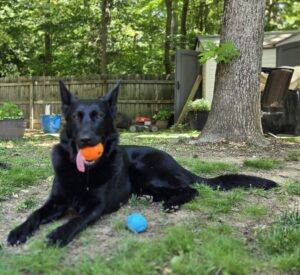
Yana

Share
Apr 17, 2026

Stem Cell Storage for Pets: Protecting their Future Health

Posted by Bob under Stem Cell Storage

When your pet is facing surgery or a significant diagnosis, the focus is usually on treating the immediate issue. But that same moment can also be an opportunity to plan ahead. Stem cell storage, or banking, allows pet owners to preserve their pet’s own regenerative cells for future use.

In many cases, a small sample of fat tissue can be collected during a planned procedure while the pet is already under anesthesia. The tissue is processed to isolate stem cells and stored for later use. This avoids the need for an additional procedure down the road and ensures that treatment options are readily available if new conditions arise.

One dog owner shared their experience after their dog, Hines, was diagnosed with fragmented coronoid process (FCP) and underwent surgery:

“After our working line GSD was diagnosed with Fragmented Coronoid Process (FCP) in his elbows, we proceeded with surgical intervention to remove the fragmented bone and alleviate his discomfort. During the surgery, we opted to have adipose (fat) tissue harvested and sent to VetStem for stem cell processing and storage. This decision was based on our veterinary surgeon’s recommendation and our own research into regenerative medicine and its growing success in orthopedic conditions.

The primary reason we chose to harvest stem cells at the time of surgery was to take advantage of a single anesthesia event and to ensure we had access to regenerative treatment options both for his current condition and any future joint issues. Having his stem cells banked also gives us peace of mind, knowing we can access additional doses in the future if needed—whether for his joints or for other age-related conditions where stem cell therapy is applicable.

We are incredibly grateful for the regenerative option VetStem provided. It gives our dog a better chance at long-term comfort and mobility, and we highly recommend considering stem cell therapy as part of a comprehensive orthopedic treatment plan. We make sure to mention this therapy to all in the Schutzhund world to have as a resource and tool in the toolkit.”

Storing stem cells creates flexibility for the future. Cells collected when a pet is younger and healthier can be used later for conditions involving inflammation, degeneration, or injury. For active and working dogs in particular, this can be a valuable part of a long-term health plan.

Speak to your veterinarian about VetStem Cell Therapy options for your pet. Or contact us to receive a list of VetStem providers near you.

During Hines’ elbow surgery, adipose (fat) tissue was collected for stem cell processing and storage for future use.

Share
Apr 10, 2026

VetStem Cell Therapy for Pets with Osteoarthritis

Osteoarthritis (OA) is one of the most common chronic conditions affecting pets, impacting an estimated 1 in 5 dogs in the United States. Despite how common it is, OA may be missed because pets naturally hide pain and discomfort. As a result, many signs of joint disease are mistaken for normal aging.

Pets are often very good at hiding discomfort, which can make it difficult to recognize when something isn’t quite right. Subtle changes in behavior or activity level are often the first indicators that your pet may be dealing with pain or reduced mobility.

Some common signs to watch for include:

  • Pain
  • Stiffness
  • Lameness or a change in gait
  • Decrease in activity or reluctance to walk, run or exercise
  • Difficulty navigating stairs or jumping on couches
  • Difficulty getting up from lying down
  • Muscle wasting
  • Sudden changes in behavior, such as irritability or aggression

These signs are often associated with conditions like osteoarthritis, which is one of the most common reasons pets are treated with VetStem Cell Therapy. Over time, inflammation and joint degeneration can lead to chronic discomfort and decreased quality of life. But stem cell therapy may help!

VetStem Cell Therapy works by helping to reduce inflammation and support the body’s natural repair processes. Rather than simply masking pain, stem cell therapy aims to address underlying issues within the joint or injured tissue. Many pet owners report improvements in mobility, activity level, and overall comfort following treatment.

In addition to reducing inflammation, stem cells have the ability to downregulate pain signals, promote tissue healing, and support the regeneration of damaged structures within the joint. VetStem Cell Therapy utilizes your pet’s fat tissue to extract and concentrate their own stem and regenerative cells. These cells are then delivered by your veterinarian directly into the joint or injured tissue, where they can begin working at the source of the problem.

Recognizing the early signs of discomfort is one of the most important steps in supporting your pet’s long-term health and quality of life. If you’ve noticed any of these changes, it may be time to talk with your veterinarian about available options. While not every pet is a candidate, VetStem Cell Therapy offers a regenerative approach that may help improve comfort, mobility, and overall well-being for many animals.

Share
Apr 3, 2026

Is My Pet a Good Candidate for VetStem Cell Therapy?

Posted by Bob under VetStem Cell Therapy

If you are considering VetStem Cell Therapy for your pet, you may be wondering if it is the right fit. While this treatment has helped many animals, not every pet is an ideal candidate. Understanding a few important factors can help guide your decision.

First, consider the type and severity of your pet’s condition. Stem cell therapy is often used for issues involving inflammation, tissue damage, or degeneration, such as osteoarthritis, soft tissue injuries, and certain chronic diseases. Pets with mild to moderate disease may respond more predictably than those with end stage conditions. That said, even pets with more severe issues may still experience improvements in comfort and quality of life.

Next is your pet’s overall health. Pets that are otherwise healthy are typically better candidates. Stem cell therapy works in part by supporting the body’s natural repair processes, so a healthier baseline can help improve outcomes. Additionally, your pet needs to be healthy enough to undergo anesthesia for the fat collection process. Stem cell therapy is also not recommended in pets with active cancer.

Age is less important than many people think. While younger pets may respond more quickly, older pets can still see improvements in comfort and mobility. Many owners pursue treatment for their senior pets to help them live their golden years in comfort. In fact, over 80% of older dogs treated with VetStem Cell Therapy for osteoarthritis showed an improved quality of life.

Finally, it is important to think about your goals and expectations. Stem cell therapy is not a cure, but it can be a valuable tool. Some pet owners hope to restore activity levels, while others want to reduce pain or delay more invasive procedures. Results can vary, and improvements may take time, but many pets show positive changes in mobility and comfort.

Every pet is different, and the best way to know if stem cell therapy is right for your pet is to talk with your veterinarian. Together, you can review your pet’s condition and decide on the best path forward.

Share